Deep dive into premium music for coffee
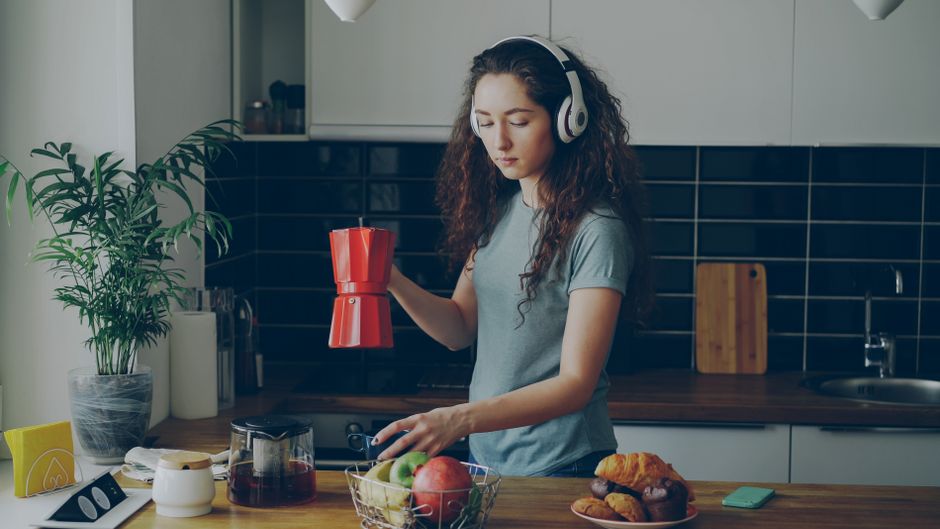
The morning rush in a Melbourne laneway café is a masterclass in controlled chaos. Milk froths, baristas shout orders, and beneath it all—a curated playlist pulses quietly, shaping the mood as much as the espresso itself. For years, the soundtrack to coffee has been an afterthought; now, it’s business.
A few years ago, this would have sounded absurd. Back in , most independent cafés simply plugged an iPhone into the speakers—Spotify, maybe even a burnt CD if you dared. Today? Enter platforms like Soundtrack Your Brand (formerly Spotify Business), which claims its playlists increase dwell time by up to 9%, based on their own retail studies from . Whether or not you believe that exact number, there’s no denying that music licensing and brand-aligned playlists are serious investments for chains and boutique cafes alike.
The Role of Premium Music for Coffee: Not Just Background Noise
You could argue that coffee tastes richer with Miles Davis playing softly in the background—or at least that’s what Giulia Santoro believes. She manages music programming for Lavazza’s flagship stores in Turin and Milan. In her words: “People don’t realize how much work goes into creating a seamless atmosphere. We mix classic Italian jazz with neo-soul and local indie tracks depending on time of day.”
Lavazza isn’t alone here. Blue Bottle Coffee in California famously employs audio consultants to design their ambient soundscapes across US and Japanese locations, tailoring playlists to match the architectural vibe of each shop—from minimalist Tokyo counters to sun-drenched Oakland outposts.
From Licensing Nightmares to Curated Solutions
Music licensing is where reality bites most sharply. European operators frequently encounter GEMA (Germany), PRS (UK), or SACEM (France)—performance rights organizations with strict enforcement arms. A bakery owner in Munich told me she switched from YouTube playlists to Epidemic Sound’s commercial license after receiving a warning letter: “It wasn’t just about fines—it was about anxiety every time someone official walked through the door.”
To counteract these headaches, subscription-based services like Soundtrack Your Brand or Mood Media have built business models around hassle-free compliance and playlist curation. According to industry estimates, over % of specialty cafés in Sweden now use licensed streaming solutions rather than consumer platforms—a figure echoed by similar adoption rates among Australian roasters surveyed by BeanScene Magazine last year.
Case Study: Berlin’s Five Elephant and Their Sonic Identity
Take Five Elephant—a specialty coffee roaster with two Berlin shops—as a case in point. In they invested €5, annually into custom music programming provided by a local agency called Klangraum Studio. The agency works closely with Five Elephant’s marketing team to rotate monthly themes—Scandinavian electronica on weekdays; Brazilian bossa nova on Sunday brunches.
Staff feedback led directly to tweaks: early-morning shifts got more upbeat tempos (helping both baristas and bleary-eyed regulars). Co-founder Sophie Hardy reports that patrons comment on the music almost as often as the pastries—and social media mentions spike whenever they trial new genres.
Australian Patterns: Sourcing Local Vibes with International Reach
Meanwhile, down under in Sydney’s Inner West, Artificer Coffee Roasters bypassed global platforms altogether by commissioning original instrumental sets from local musicians during lockdown closures in -. Owner Shoji Sasa says this approach boosted their social following (“we tagged each artist”) while sidestepping complex performance licenses—since all music was original and cleared directly with creators.
Not every venue has budget or bandwidth for bespoke compositions—but these cases show how premium music curation becomes part of broader brand storytelling rather than mere ambiance filler.
Numbers Beyond Streaming: ROI Is More Than Foot Traffic
Does premium music for coffee actually move the needle? Hard numbers are elusive—but anecdotes accumulate quickly:
- In Stockholm’s Drop Coffee Bar, average customer stay rose from minutes pre-curation () to minutes post-curation (), according to staff logs shared internally.
- Research by British consultancy MusicWorks found chain cafés using genre-specific playlists saw repeat visits climb % over six months compared to control groups using random radio.
- In Helsinki’s Kaffa Roastery shop, Spotify song skips dropped nearly % when switching from generic pop mixes to carefully sequenced downtempo selections—a subtle sign customers felt less urge to override the vibe themselves.
Where Tech Meets Taste: AI Playlists vs Human Touches
A side note worth mentioning—AI-generated playlists now power some chains’ daily operations via tools like Jukeboxy or Ambie.fm. But there’s skepticism too; Melbourne-based Proud Mary Coffee tried algorithm-driven curation but reverted after complaints about jarring track transitions mid-rush hour (“the energy just didn’t flow,” says floor manager Pete Ho).
Still, semi-automated scheduling helps international chains scale musical identity without hiring full-time curators—especially when managing dozens of outlets across borders with different licensing rules.
Looking Back—and Forward—with Caffeine-Fueled Ears
If you want a historical footnote: Starbucks’ partnership with Hear Music back in the early 2000s arguably kicked off this whole notion of coffee brands as tastemakers beyond beans and milk foam. By selling CDs alongside lattes (Jack Johnson went platinum off such deals), they proved customers notice what plays overhead—and might pay extra for it elsewhere too.
Today? It’s not about selling discs but crafting invisible architecture—one song at a time—that can make or break an afternoon spent typing away near an outlet charger.
Ultimately,
premium music for coffee spaces is not just another operational checkbox—it’s fast becoming an arm of hospitality strategy on par with latte art or seasonal menus. Whether orchestrated via AI dashboards or analog crate-diggers matters less than one thing: people remember how your place sounds long after their cup runs dry.