
Current trends in music for coffee shops
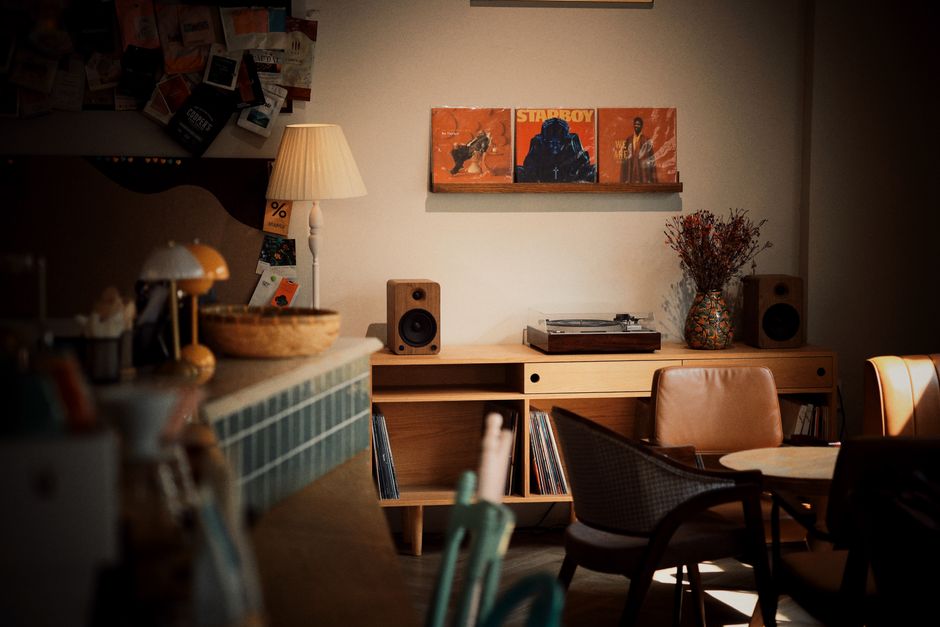
The music at a coffee shop is rarely as accidental as it sounds—unless you’re in one of those independent spots in Budapest or Melbourne where the playlist still comes from an owner’s battered iPod Mini. Even there, though, someone’s taste is shaping your flat white experience.
In , it seemed like every third café worldwide was spinning Bon Iver and Norah Jones on loop. Fast-forward to : streaming platforms have made the soundtracks simultaneously more homogenized and—paradoxically—more niche. The tension between mass-appeal playlists and hyper-local curation now defines how music fills the air between cups and laptops.
Playlists as Mood Architecture
In larger chains like Costa Coffee (UK-based), music programming has long been top-down. Their partnership with Mood Media means that a store in Manchester can tweak its playlist by time of day or even weather conditions. Early morning? Acoustic covers and mellow indie-folk. By mid-afternoon, they might pivot to upbeat soul or soft electronic instrumentals intended to keep energy—and caffeine sales—up.
Mood Media claims their global retail clients see a measurable uptick in average dwell time (8–% increase) when playlists are tailored to local tastes versus using generic pop rotations. Of course, these figures come with caveats: not every customer lingers for another espresso just because Feist is playing.
Local Scenes, Local Sounds
Contrast that with smaller shops like Kafeteria in Warsaw. Here, staff rotate personal Spotify selections but often lean into Polish jazz or contemporary neo-soul—not out of marketing strategy but genuine enthusiasm. When asked about their approach, the manager told me, “We tried algorithmic playlists once—the vibe felt off immediately.”
There’s a reason some Berlin cafés insist on vinyl-only afternoons: analog formats double as both aesthetic statement and subtle filter against overplayed digital tracks. It’s less about nostalgia than signaling subcultural belonging—a real-world example being Five Elephant in Kreuzberg, which hosts monthly record-listening nights sourced from local collectors.
Algorithms vs. Authenticity
The infiltration of algorithmic curation via Spotify for Business or Soundtrack Your Brand (a Swedish B2B platform) has been steady since around . Small chains across Australia use these services to maintain consistency across locations while staying within licensing laws—a real headache if each barista starts freelancing with YouTube playlists.
But authenticity still matters: one Sydney-based operator described how their AI-generated playlists sometimes triggered complaints (“Why are we hearing Post Malone three times before noon?”). They now blend pre-set lists with manual overrides for regulars’ birthdays or local events—a hybrid model gaining traction among mid-sized urban cafés globally.
Licensing Gets Personal—and Complicated
Behind the scenes is another trend: compliance pressure from rights agencies like GEMA (Germany) or PRS for Music (UK). In alone, several British independent cafes received warnings after streaming non-commercially licensed Spotify tracks during busy weekend hours. To avoid hefty fines—which can run into thousands of euros per infraction—more venues are switching to platforms that guarantee commercial rights bundled into subscription fees.
What gets missed in most coverage is just how intrusive these rules feel for owners who see themselves as community spaces first and businesses second. “Nobody wants Muzak,” said an Amsterdam barista working at Lot Sixty One; “but we don’t want lawsuits either.”
The Rise of Signature Soundscapes
Starbucks was early to this idea: since their U.S locations have gradually rolled out signature playlists curated through partnerships with artists like Leon Bridges and St. Vincent. These aren’t just background noise—they become part of branding campaigns announced on social media and even sold as limited-run vinyl records at select stores.
Yet even Starbucks struggles to balance personalization and brand cohesion: customers in Tokyo might hear Japanese city-pop remixes unavailable elsewhere; Paris stores reportedly push more chanson française during festival seasons.
Data Meets Dissonance: Measuring What Works?
Anecdotally, coffee shop managers report spikes in customer engagement when hosting live DJ sets or themed listening hours—but translating this into hard ROI remains tricky outside of major urban centers. In Helsinki last year, Kaffa Roastery experimented with hour-long ambient sets commissioned from local producers; foot traffic increased by % on event days compared to typical Tuesdays.
However, not all experiments hit the right note—a trial run of deep techno mornings at a Brooklyn café left regulars bewildered enough to post about it on Reddit (“I came for a croissant not Berghain”).
New Genres Brewing Underneath Familiar Beans?
A subtle shift underway since late is the growing tolerance for gentle electronica—think lo-fi beats meets Scandinavian minimalism—as standard fare in cities like Copenhagen and Stockholm. Even Parisian chains such as Café Kitsuné have started integrating Japanese city pop next to classic French ballads for an eclectic twist that reflects tourist flows more than local tradition.
Meanwhile, Latin American-inspired playlists have gained ground in southern Europe—particularly Lisbon’s burgeoning specialty coffee scene where bossa nova blends fade seamlessly into Catalan indie pop by midday.
Unscripted Endings: The Human Touch Lingers On
It would be easy to declare that data-driven curation has won the day—that soon every café will pulse with globally optimized mood enhancers designed by Silicon Valley consultants. But then you stumble upon an Athens espresso bar playing cassette tapes of obscure Greek synthpop from just because today feels like a good day for it.
For now at least, the soundtrack remains caught somewhere between algorithmic predictability and those unpredictable flashes of personality—a blend no machine has quite mastered yet.