
best coffee shop music full guide
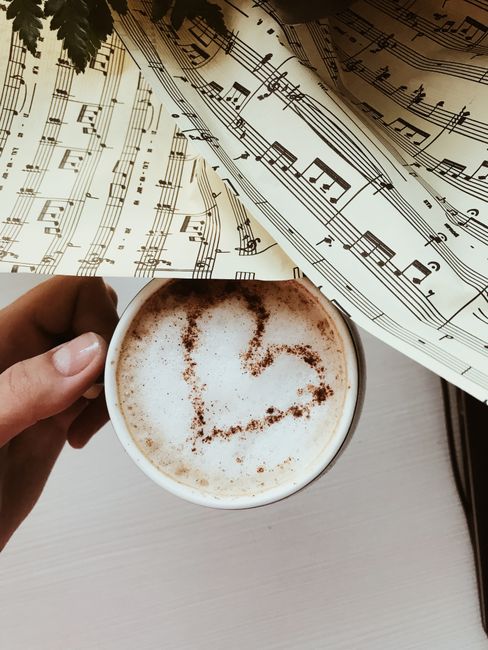
Walk into three coffee shops in Melbourne’s CBD and you’ll hear three different philosophies of music. At Patricia Coffee Brewers (Little Bourke St), the playlist slips between obscure 1970s Brazilian jazz and minimal electronic grooves—never chart-toppers, never silence. Down on Collins St, Axil Roasters runs a steady loop of neo-soul interspersed with local indie bands, some barely signed. And at Market Lane in Prahran, there are mornings when Bach cello suites float over the La Marzocco steam.
Contradiction: ask ten baristas what makes the best coffee shop music and you’ll get ten half-shrugs and a list of Spotify playlists shared in private WhatsApp groups. The science is woolly; the art is mostly trial-and-error.
Playlists as Brand Identity? Only Sometimes
In late , Blue Bottle Coffee’s Tokyo team started curating their own in-store soundtracks using Soundtrack Your Brand (a B2B streaming platform spun out from Spotify). Their goal was to capture both local sensibility and Blue Bottle’s West Coast roots—think Shintaro Sakamoto then segueing into Madlib instrumentals. The result? Subtle but measurable shifts: according to an internal survey shared with Japanese staff that spring, more than % of regulars said they noticed “a positive change” in mood inside the store after the switch.
But this approach isn’t universal. In Berlin’s Kreuzberg district, Father Carpenter Café purposely avoids algorithmic recommendations by letting staff queue up vinyl records behind the counter—a practice started back in when owners noticed customers asking about specific album covers on display. They claim it boosts customer-staff interaction (up by % anecdotal mentions on their Instagram Q&As) even if it occasionally leads to awkward needle skips during peak hours.
When Volume Spoils the Brew
Even global chains misstep here. Starbucks’ well-documented dalliance with Paul McCartney’s post-Beatles catalogue (especially around –) led to widespread criticism from regulars who found the volume intrusive during morning rushes—a recurring complaint at US suburban locations based on Yelp data from that era.
So volume matters as much as genre. Alexi Smith, who managed audio for Workshop Coffee in London until last year, says, “We measured decibel levels every weekend for six months—anything consistently above dB and we’d see customers packing up laptops early.”
Case Study: Indie vs Algorithm in Warsaw
There’s a small café near Plac Zbawiciela—Filtry—that abandoned curated playlists entirely after lockdown restrictions lifted in . Instead, they opened up daily DJ slots for local musicians (acoustic or electronic only; vocals discouraged before noon). According to owner Marta Kubicka, weekday foot traffic increased by nearly % within two months—not massive numbers but enough to justify paying artists modest fees instead of licensing another generic playlist service. Regulars return not just for hand-dripped Kenyan beans but because each week actually sounds different.
Streaming Platforms: Not Always Plug and Play
Soundtrack Your Brand claims over million licensed tracks tailored for businesses worldwide—but it still can’t solve context clashes. For example, Australian chain St Ali tried implementing Apple Music Business playlists across its four Melbourne sites but ran into issues synchronizing mood throughout the day: what fits bustling South Melbourne at noon jars with sleepy Carlton North at sunrise.
Some European cafés sidestep these hiccups by sticking to old-school methods—simply downloading a month’s worth of handpicked MP3s onto an iPad connected directly into ceiling speakers via mini-jack cable (still common practice in independent Parisian coffee bars).
Morning vs Afternoon – Never One Playlist Fits All
You don’t play D’Angelo at 7am any more than you’d run Erik Satie through dinner service at a pizza joint. In Copenhagen’s Prolog Coffee Bar, staff switch things up hourly: soft piano or acoustic sets pre-10am; low-key hip-hop or Scandinavian pop during lunch rush; ambient electronica as afternoon fades out—tracked closely since early using weekly feedback cards left near the register.
The unwritten rule among Nordic baristas: whatever keeps voices audible and caffeine-fueled focus intact wins out every time.
Lo-Fi Beats – Not Always Welcome Anymore?
The lo-fi hip hop trend peaked around mid- with YouTube streams like “lofi hip hop radio – beats to relax/study to” hitting upwards of 50k concurrent listeners globally (according to Social Blade analytics). But its ubiquity has triggered pushback among specialty coffee operators from Amsterdam to Vancouver who say blanket lo-fi soundtracks now feel impersonal—”like background noise designed by committee,” as one owner put it during a recent SCA Europe panel discussion.
Instead? There’s renewed interest in hyper-local curation—think Turkish folk for Istanbul espresso bars or retro French pop for Marseille terraces—with many shops collaborating directly with neighborhood record stores or even hosting live listening events again post-pandemic lockdowns.
So What Actually Works?
- For high-turnover city cafés: instrumentals dominate until lunch; avoid sudden tempo changes
- For sit-down artisan spots: allow staff some autonomy—it humanizes the experience
- Chains should adapt playlists per location rather than broadcasting brand-wide feeds
- Never overlook acoustics—the same track at two venues can feel worlds apart due to speaker placement alone
to sum up:
you’re searching for the best coffee shop music? It doesn’t exist—not universally. But real-world workflows show success comes down not just to taste but adaptability: flexibility between hours; input from staff and regulars; willingness to tweak based on real feedback—not just corporate strategy decks or streaming stats.