
The essentials of premium music streaming services
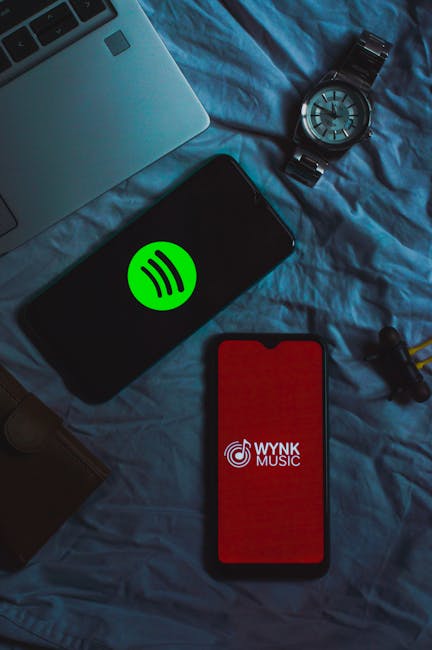
Nobody really needs another playlist of “Top Global Hits.” Open Spotify, Apple Music, or Deezer and you’ll see nearly identical homepages. But beneath the surface—the algorithms, the licensing deals, the relentless push for exclusives—there’s a quiet war playing out over what makes a music streaming service truly premium.
Rewind to . Tidal, fronted by Jay-Z and a star-studded board, promised lossless audio and exclusive album drops. Critics sneered at the high price tag (then $./month) and doubted that audiophile-grade sound would matter to AirPods-wearing commuters. Yet here we are: in , Amazon Music Unlimited reported a % jump in its HD tier subscribers after adding spatial audio support, mostly driven by listeners in Germany and Japan who still invest in decent headphones.
The Illusion of Infinite Catalogs
The big players love to brag about catalogs. ” million tracks,” Spotify claims; “Over million songs,” says Apple Music. But talk to indie label managers in Paris or Austin, and they’ll tell you: quantity doesn’t guarantee access to new releases when regional licensing gets tricky. Universal Music Group’s standoff with TikTok earlier this year highlighted just how fragile these agreements can be. For users in Poland during that dispute, hundreds of trending Polish rap tracks simply vanished overnight from most streaming platforms—hardly anyone noticed until local hip-hop blogs began circulating workarounds via SoundCloud.
Where Premium Actually Counts: Real-World Listening
In Berlin’s Kreuzberg district, an agency specializing in soundtrack production for Netflix originals uses Qobuz for one reason only: it supports -bit FLAC downloads with metadata intact—a non-negotiable for their post-production workflow. Most mainstream services don’t even allow direct downloads beyond compressed MP3s.
Meanwhile, student DJs in Melbourne lean heavily on Spotify’s DJ mode beta (launched late ), which quietly rolled out advanced crossfade controls and BPM detection. It’s not marketed as a pro tool, but real-world adoption has been swift among young electronic music creators unable to afford dedicated mixing software.
Personalization or Paradox?
Every premium streaming platform touts personalization like it’s the holy grail: “Discover Weekly” on Spotify; “For You” mixes on Apple; “Flow” on Deezer. The promise is simple—music tailored to your mood or taste—but actual recommendations often reflect major label priorities more than user preferences.
Take France as a case study. After local regulations required quotas for French-language content on radio and streaming (% minimum), Deezer tweaked its algorithmic playlists for French users accordingly. Some saw more variety; others grumbled about repetitive chanson pop intrusions into their techno lists.
Audio Quality: More Hype Than Substance?
Ask any producer at Abbey Road Studios about bitrates and formats—they’ll have an opinion. Still, the majority of listeners stream via Bluetooth earbuds incapable of reproducing lossless quality anyway. In a recent panel at SXSW Sydney (), Australian mastering engineers estimated less than 8% of end-users toggle HiFi settings when available.
Yet there are exceptions worth noting:
- Classical music fans flock to Idagio (HQ’d in Berlin) because its search engine tags works by conductor—not just artist—a feature sorely lacking elsewhere.
- Audiophiles assembling home theater setups in San Francisco routinely cite Tidal’s MQA streams as justification for their subscription fees despite mixed critical reviews of MQA itself.
Exclusives & Windowing Games: Who Benefits?
Remember Taylor Swift yanking her catalog from Spotify back in ? She eventually returned—but not before setting off an arms race over exclusive releases that peaked circa – (think Beyoncé’s Lemonade stuck on Tidal). Now? Most labels shy away from windowing due to backlash from fans—and piracy spikes observed in regions like southern Italy whenever major albums go missing from global platforms.
Still, some artists use boutique services strategically: Bandcamp Fridays routinely generate six-figure payouts directly for independent musicians—a business model entirely outside traditional subscription ecosystems.
Billing Realities and Device Lock-In
If you own an iPhone or HomePod Mini, chances are you’re nudged toward Apple Music by default integrations—no need to install anything extra or fiddle with Bluetooth settings every morning commute through London traffic jams. Similarly, Amazon Prime bundling has led roughly % of UK households (Omdia estimate) to auto-enroll into Amazon Music tiers they might never actively use otherwise—it just arrives bundled with fast shipping perks.
A Contradiction Worth Noting: In Tokyo offices of Sony Music Japan, teams still push physical CD sales alongside digital distribution because Japanese fans value tangible packaging—even if those same buyers also subscribe to LINE MUSIC or AWA for mobile listening on crowded trains.