
How listen online dance music impacts daily life right now
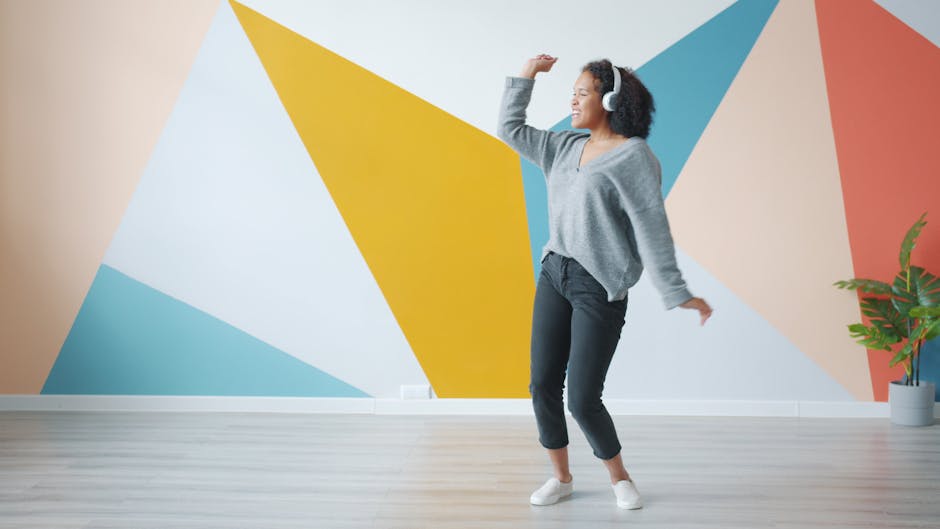
You’d think that with endless playlists, algorithms, and /7 access to music from every corner of the globe, dance music would just blur into the background—a generic soundtrack for scrolling or working. But reality looks different on the ground, especially in places like Barcelona’s coworking cafés or Berlin’s boutique gyms, where the relentless beat of online dance music is not just filler—it’s a trigger for movement, focus, and even identity.
A Workout That Doesn’t End at the Gym
Take Les Mills+, a streaming fitness platform based out of New Zealand but with a sizable presence in Europe. In , their data showed over % of users preferred HIIT and cycling sessions synced to high-energy dance tracks sourced from Beatport and Spinnin’ Records’ online catalogs. The curated soundtracks aren’t chosen by accident—music directors work closely with DJs (sometimes even local Berlin talents) to set BPMs specifically designed to boost heart rates at key moments.
Anecdotally, trainers in Amsterdam say members are more likely to complete sessions if they can select their own Spotify-powered playlist before starting class—a feature rolled out last autumn after feedback from expat-heavy studios. So while digital dance beats may seem ephemeral, they’re tangibly shaping both participation and performance metrics inside these glass-walled gyms.
When Home Becomes the Club Floor
It isn’t all sweatbands and squat racks. A significant shift happened during the pandemic’s first wave (spring ). Clubs shuttered from Melbourne to Milan, but platforms like Boiler Room reported a surge: their Twitch streams reached over four million unique viewers monthly by mid-—triple pre-pandemic numbers. Suddenly, turning your kitchen into a miniature rave became as normal as ordering dinner via Uber Eats.
This trend didn’t disappear when lockdowns lifted. In Poland’s Tri-City area (Gdańsk/Sopot/Gdynia), local event collectives such as Instytut have kept hybrid live/online events running every month since late . Attendees often join virtually via Mixcloud Live or YouTube Premiere—even when there’s a physical crowd present—using multi-angle livestreams and interactive chats so remote dancers can request tracks or vote on encore songs.
Algorithmic Serendipity—or Isolation?
Of course, not everyone celebrates this shift. In conversations I’ve had with promoters in Manchester who run smaller venues like Hidden or Soup Kitchen, there’s skepticism about algorithm-driven curation on platforms like Apple Music DanceXL. “You lose some magic,” one told me in early . “People come less for discovery; more for what an app tells them they already want.” Yet paradoxically, these same clubs now post regular SoundCloud mixes after each event—because attendees expect instant replays online.
Meanwhile, French startup Groover has built its business model around connecting unsigned artists directly with playlist curators worldwide. As of March they report over 120k submissions per month—a number quadrupled since launching in —with genres skewing heavily toward melodic house and electro-pop thanks largely to TikTok virality loops.
From Commute Companion to Productivity Hack
In Parisian advertising agencies like BETC, it’s almost standard for creative teams to share collaborative playlists through Deezer Flow during brainstorm meetings—the logic being that energetic tracks help break cognitive ruts during long pitch cycles. A senior copywriter there told me last winter that “the right drop at the right moment saves hours of deadlock.”
But it doesn’t end at work: according to a survey conducted by German mobility company FlixBus in summer (with over 12K respondents), nearly half of international passengers said upbeat electronic playlists made overnight journeys feel shorter—and led to higher reported satisfaction scores on post-trip surveys compared to traditional radio programming.
Changing How We Celebrate Together (and Apart)
One small but telling example: a wedding planner I spoke with outside Sydney explained how couples now routinely send out Spotify links alongside invitations—sometimes custom-mixed by local producers—to encourage guests across continents to sync up before remote ceremonies via Zoom or Teams. This was rare before the pandemic; now it shapes hundreds of celebrations each season across Australia.
Another twist comes from Tokyo-based club Contact, which started hosting monthly “silent parties” where dancers use wireless headphones streaming DJ sets simultaneously both onsite and online—a format born out of necessity during social distancing rules but still popular among younger crowds seeking both connection and privacy.
Numbers Are No Longer Background Noise
Industry insiders keep pointing back to raw growth: IFPI’s Global Music Report pegged electronic/dance as one of only two genres (alongside Latin pop) posting double-digit digital revenue gains year-on-year since globally. Meanwhile platforms like SoundCloud saw their paid subscriber base jump nearly % between Q2 and Q2 ; much attributed by execs directly to rising demand for exclusive dance mixes unavailable elsewhere due to licensing deals struck with European indie labels.
So no—it isn’t just background noise anymore. Whether powering you through another spreadsheet session at home in Frankfurt or helping you find strangers who become friends halfway across Melbourne’s virtual party scene, listen online dance music is undeniably shifting daily rituals—not always quietly.