streaming dance music transformation explained
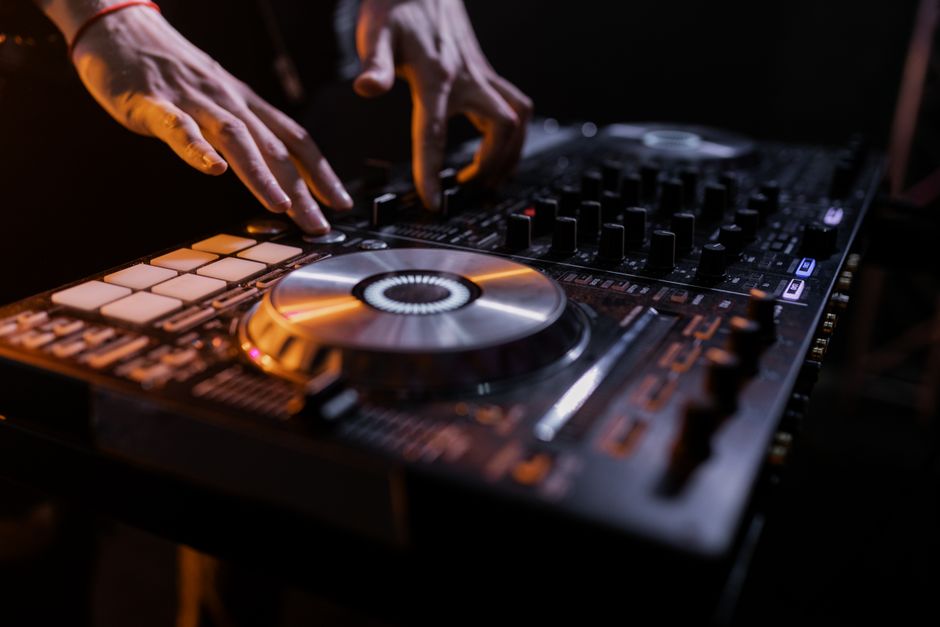
The first time I noticed the shift, it was in a cramped backroom of a Berlin club, . The DJ, fresh from Prague, wasn’t sorting through crates of records or even scrolling through USB folders—he was curating a set built almost entirely off pre-release promos streaming via Beatport LINK. It felt like cheating to some of the vinyl diehards in attendance. But the crowd didn’t seem to care. They just wanted the pulse.
From White Labels to Streaming Dashboards
Dance music always thrived on exclusivity and physicality—white label test pressings passed hand-to-hand, promo CDs mailed across Europe. If you were spinning at Tresor or Fabric circa , your setlist depended on your network as much as your taste. Now? That hierarchy is upended by platforms like SoundCloud and Spotify’s Artist Dashboard.
In real-world practice, Swedish indie label Local Talk switched from pressing 2, vinyl copies per release (in ) to uploading digital-only singles by . The label reported that within one year of prioritizing digital-first releases (with Spotify and Apple Music upfront), their average monthly listenership grew threefold—even with no radio play.
A Case in Amsterdam: DJs Go Live (and Global)
Last spring, I spent an evening shadowing a mid-tier techno DJ in Amsterdam—someone who’d once relied solely on local gigs for income. Now his setup included OBS Studio for livestreams and a paid subscription to Beatsource LINK (a streaming platform optimized for DJs). He told me he played more international requests in one night than he had in an entire season five years ago.
What changed? In practical terms: “I get track IDs sent on Instagram during my set,” he said. “If it’s not on my playlist but available online—I can drag it into Serato within seconds.”
This workflow has become standard for many club DJs across Germany and the Netherlands: live-streamed sets with instant access to cloud libraries, audience feedback funneled straight from TikTok or WhatsApp groups. The dynamic between performer and crowd is now mediated by algorithms as much as sweat-soaked dancefloors.
Algorithmic Curation vs Gatekeeper Playlists
Back when radio shows like BBC Radio 1’s Essential Mix ruled UK dance music discovery, there was always a sense of scarcity—a record could break out overnight if Pete Tong played it at midnight. Today, getting slotted into Spotify’s “Mint” or Apple Music’s “DanceXL” can mean tens of millions of streams globally within weeks.
Take Polish producer Anja Kraft’s debut single: when her track landed on Deezer’s curated electro-dance playlist last summer, her followers jumped from under to nearly , inside two months—a number previously only achievable after years of slogging through club circuits and self-financed tours.
But this democratization comes with its own paradoxes: producers are caught between chasing algorithm-friendly trends (shorter tracks; catchy intros) and maintaining underground credibility among scene purists who still idolize Boiler Room sets streamed direct from concrete basements in Budapest or Paris.
Monetization Still Lags Behind the Hype
There are new realities behind all that frictionless consumption:
- A typical payout rate for independent electronic artists hovers around $0.–$0. per stream according to industry reports shared by Berlin-based distributor Zebralution last year—meaning viral success often doesn’t translate into real revenue unless you’re breaking into millions-of-plays territory.
- In Australia, several boutique dance labels have shifted toward leveraging Bandcamp Fridays or direct Patreon support because even getting featured on major playlists rarely covers production costs without touring income.
- Meanwhile, clubs themselves—like Warsaw’s Smolna—now routinely host hybrid events where live performances are simultaneously streamed via Mixcloud Select subscriptions for global audiences (a model they adopted during pandemic closures in early ).
Production Workflows Rewired by Streaming Data
One overlooked consequence: how digital analytics shape what gets made next.
In London studios I’ve visited since , producers describe running weekly data pulls from Spotify for Artists before finishing EPs—identifying which BPM ranges or moods resonate most with their listeners. Some admit quietly that they drop experimental tracks if skip rates spike above % during preview testing on private SoundCloud links distributed among superfans.
This feedback loop isn’t hypothetical—it plays out daily across cities like Lisbon and Tallinn where young producers refine edits based less on club reactions than dashboard charts showing which intros hold listeners past the first hook.
The Scene Isn’t Dead—It’s Fragmented (and Hyperconnected)
There are skeptics who say something essential got lost—the cultish thrill of tracking down rare dubplates is gone; everyone everywhere hears everything at once; monoculture threatens subculture.
Yet every month brings upstart micro-scenes bubbling up out of nowhere thanks to streaming-driven discoverability: Rotterdam footwork collectives trading stems via Dropbox; Greek lo-fi house producers collaborating over Discord while releasing singles direct to YouTube Music playlists managed by Brazilian tastemakers.
So yes—the transformation is messy and sometimes disorienting. But anyone watching real workflows knows this isn’t just about technology flattening culture—it’s about rewiring how communities assemble around rhythm and repetition in ways nobody could have charted back when white labels ruled the racks.