
Inside the world of music for business use
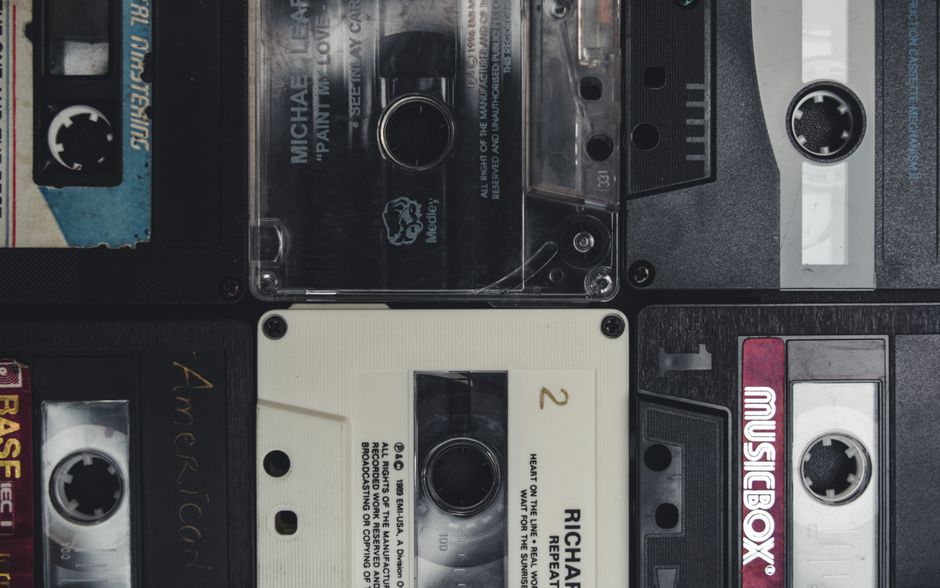
Every time a café launches a new playlist, or a software demo pulses with an ambient beat, someone is quietly navigating the labyrinth of music for business use. Yet, ask most managers in tech, retail, or hospitality who actually curates—or owns—their background soundscapes, and you’re likely to get blank stares or vague references to Spotify.
The contradiction? Music might be the most universal business accessory after Wi-Fi, but its backstage mechanics are still a black box for many companies. There’s an entire industry beneath what customers hear—one that rarely gets its due outside of copyright lawyers and licensing reps.
License First, Ask Questions Later (Or Don’t)
In , the European Union nudged this world into public debate by revising collective rights management rules. For years before that, especially across mid-tier restaurants in Spain and Italy, music licensing was often an afterthought—if it happened at all. I’ve seen firsthand how chain cafés in Valencia would play digital radio streams from personal accounts until PRO (performing rights organization) auditors made unannounced visits.
A quick audit could trigger retroactive fees stretching back months—sometimes five figures for a single venue. This led to the rise of platforms like Soundtrack Your Brand (a Spotify spin-off), which now claims over % market share among Scandinavian retailers seeking legal clarity and mood consistency.
Building Playlists Like Software: The Agency Model
There’s another layer to this story when you move upmarket. In Berlin’s creative agency scene, music curation for flagship stores is handled almost like a UX design project. When Adidas opened their Kurfürstendamm concept space in , they brought in local production house HearDis! to develop dayparted playlists tied to customer footfall analytics. It’s no longer just about “background”—it’s adaptive branding.
Typical workflows here involve:
- Negotiating blanket licenses with GEMA (the German collecting society)
- Sourcing pre-cleared tracks from bespoke libraries such as Epidemic Sound
- Customizing playlists using APIs that can adjust tempo based on store occupancy data pulled from IoT sensors
- Fitness studios often negotiate direct sync licenses with indie producers to avoid mainstream chart costs.
- Boutique hotels may hire music consultants who handcraft playlists only accessible via geo-fenced apps within their properties.
- Even fast food franchises now receive pre-approved monthly USB drives containing locally cleared tracks—a practice observed across KFC branches managed by AmRest Holdings in Central Europe since .
This isn’t theoretical; last summer I sat through two rounds of internal review meetings at a Munich-based tech retailer where playlist approval involved brand managers and data analysts dissecting tracklists down to average BPMs per hour.
From Elevator Muzak to Algorithmic Selection: A Short History
If you think this all feels new, remember the roots run deep. Back in the late 1930s, North American department stores were early adopters of Muzak—a company whose name became synonymous with innocuous instrumental loops piped over proprietary speakers. By , Muzak claimed service in nearly % of US office buildings above ten stories.
Fast-forward half a century: While Muzak itself faded (sold off and rebranded multiple times before being absorbed by Mood Media), its DNA persists through algorithmic playlist services like Pandora for Business and Australia’s Qsic—which reported a % year-on-year client growth after pandemic lockdowns ended in Melbourne shops.
What Actually Plays—and Why It Matters
Here’s where things get tangled. In real commercial settings—say an upscale hotel lobby in Paris or an independent gym chain across Poland—the choice isn’t simply between pop hits or jazz standards. Each sector has its quirks:
Numbers? According to IFPI estimates, licensed background music generated over € million worldwide last year—a figure that doesn’t include gray-market streaming or unreported uses common among small businesses in southern Europe and Southeast Asia.
The Human Factor (or Lack Thereof)
Despite advances in AI-driven selection tools (see Sweden’s Soundtrack Your Brand using machine learning for emotion tagging), there’s still demand for human curation—especially when launching high-stakes campaigns. Take London-based production studio Cord Worldwide: For Jaguar Land Rover’s event series rollout last autumn, Cord assigned two senior supervisors to oversee every edit so that nothing slipped through automated filters unsuited to British luxury branding nuances.
A workflow snapshot from one Polish retail group paints the reality:
Beneath Every Beat: Legalities & Loopholes
Not everything works smoothly—or legally. Some Berlin coworking spaces have tried circumventing license fees by commissioning original royalty-free scores from freelancers found on Fiverr or Upwork (“lofi hip hop beats” remain especially popular). But these shortcuts create headaches later if usage expands internationally; German GVL inspectors are notorious for spot-checks when new tenants arrive en masse each September.
Meanwhile, Asian markets have their own workarounds: South Korean gaming cafes frequently deploy open-source music packs distributed under Creative Commons—but retroactive audits occasionally land operators with unexpected lawsuits if even one sample slips outside permissible use cases.
Looking Sideways at Streaming Giants
While consumer-facing streaming platforms dominate headlines—Spotify boasts some four billion global playlists—the actual infrastructure required for legal business use remains separate. As of Q1 , less than 7% of active restaurant chains worldwide rely solely on public versions of streaming apps for commercial playback because terms-of-service restrictions routinely bar such activity outright. Instead they turn to purpose-built B2B solutions like Soundsuit (France) or Jukeboxy (US), both of which combine curated content with compliance mechanisms tailored for enterprise accounts ranging from fifty-seat bistros to nationwide hotel networks.
A World Hidden In Plain Sound
Ultimately it isn’t just about filling silence—it’s about choreography: matching energy levels to customer flows; translating abstract brand values into audible identity; blending automation with artistry under the watchful eye of copyright law. Many businesses only realize how intricate this becomes after facing their first audit…or watching customers linger longer thanks to just the right song at sunset shift change.