
How streaming audio quality impacts daily life for creators
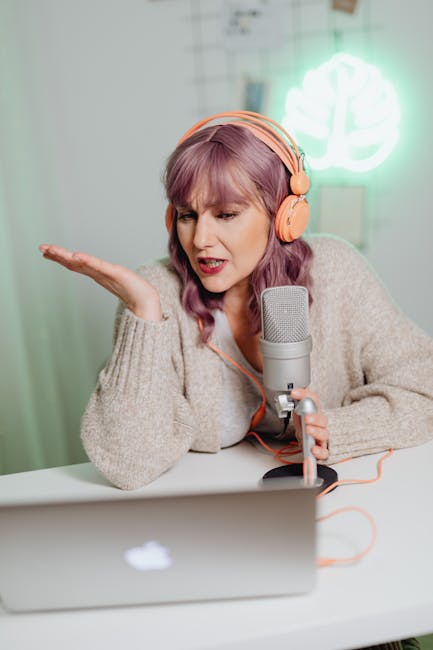
The Bitrate Paradox on Spotify & Beyond
Spotify claims over million users as of late . Yet many creators complain that their meticulously produced tracks—polished with high-end plugins in Ableton Live or Logic Pro X—are flattened by default compression algorithms. Ask any mastering engineer contracted by a Berlin indie label: they routinely deliver -bit, 96kHz masters only to see them squashed to 320kbps or lower for consumer playback.
One classic case: in , an Australian producer duo submitted a lush neo-soul EP to Spotify via DistroKid. They later found fans posting side-by-side comparisons on YouTube, pointing out muffled cymbals and lost spatial effects once streamed. The duo ended up spending extra hours re-mixing specifically for the platform’s quirks—a workflow adjustment now common among small studios across Europe and North America.
Voice Actors vs. The Algorithmic Ceiling
Contrast this with voice talent like Diego Martinez, a freelancer dubbing Spanish-language audiobooks from his home studio in Madrid. Platforms such as Audible still cap uploads at certain bitrates; Diego resorts to using Auphonic’s batch processing tools to pre-condition files so sibilants don’t turn harsh when compressed downstream. In typical production workflows observed in Spanish localization teams, engineers keep one set of raw WAVs for archiving and another batch downsampled for each distributor—a habit adopted since the surge of streaming-first releases post-.
Lossless Dreams Meet Mobile Realities
Apple Music made headlines mid- by rolling out lossless streaming worldwide—but as every mid-sized podcast agency in London knows, listener data shows over % of sessions happen on mobile devices with spotty bandwidth. So despite Apple’s “Hi-Res” branding, most creators find themselves chasing compatibility over purity.
Take Podwise Media, a boutique podcast shop based in Manchester. Their weekly workflow includes exporting two versions for clients: one maxed-out FLAC archive copy; one AAC file tailored for quick mobile delivery through Apple Podcasts or Pocket Casts. Their rationale? Around half their audience listens during commutes where even minor buffering risks drop-offs (the team tracks these via analytic dashboards).
When Quality Becomes Branding—Or a Point of Friction
In Japan’s vibrant music scene, labels like Avex Trax use audio quality as a selling point: premium “Master Quality Authenticated” (MQA) streams are reserved for fan-club subscribers on domestic platforms such as mora qualitas. By contrast, most Western platforms treat high-res streams as niche extras—if at all available outside Tidal or Qobuz.
But this split creates odd side-effects for international acts hoping to reach both markets. Earlier this year, a German electronic artist reported having to prep three separate master versions when releasing simultaneously via Berlin-based Zebralution (for Europe), Line Music (for Japan), and Bandcamp (direct sales). Each required different loudness targets and codec choices—chewing up days that could have gone into writing new material instead.
Game Studios & Interactive Audio Woes
It isn’t just about music or podcasts either. Game studios—like those using Unity or Unreal Engine pipelines in Montreal—often need adaptive soundtracks that react live within gameplay but will ultimately be streamed over cloud gaming services such as NVIDIA GeForce NOW or Google Stadia (prior to its shutdown). Compression artifacts become glaring when interactive loops are rendered dynamically at low bitrates. As one lead audio designer said during GDC Europe : “We write custom scripts just to duck frequencies that get mangled by real-time codecs used by streaming providers.” It’s not glamorous work—but it determines whether an action sequence lands with impact or fizzles.
The Unseen Cost: Time & Creative Fatigue
For creators juggling multiple distribution channels—from Twitch broadcasts with variable audio settings to exclusive Patreon-only hi-fi downloads—the technical juggling act adds hours per week. According to informal surveys conducted within Discord communities focused on streaming workflows, solo musicians spend on average an extra –% project time adapting mixes versus five years ago.
What gets lost? Sometimes nuance (a subtle reverb tail), sometimes narrative clarity (a whispered line buried by noise reduction). More often: creative momentum itself.
Looking Back—and Forward With Skepticism
When Napster disrupted CD-era listening habits back in –, fidelity fell off the cultural radar almost overnight; convenience won out over quality for nearly two decades after MP3 took hold globally. Now there’s cautious optimism among some pros that higher-quality streams might drive renewed appreciation—or at least fairer compensation models—in markets like Germany where Tidal reportedly saw double-digit subscriber growth after launching lossless tiers.
Yet skepticism prevails among working creators who remember promises unkept from previous format wars: “If my fans can’t hear the difference on their AirPods,” one UK folk singer quipped last month at The Great Escape Festival in Brighton, “why am I agonizing over it?”
—
Streaming audio quality remains a moving target—sometimes elevating creators’ brands but more often draining resources behind the scenes. Whether you’re hustling tracks from Kraków or mixing podcasts from Sydney’s suburbs, the reality is clear: each technical decision ripples outward into daily life far beyond what any listener ever hears.