
live streaming system explained clearly
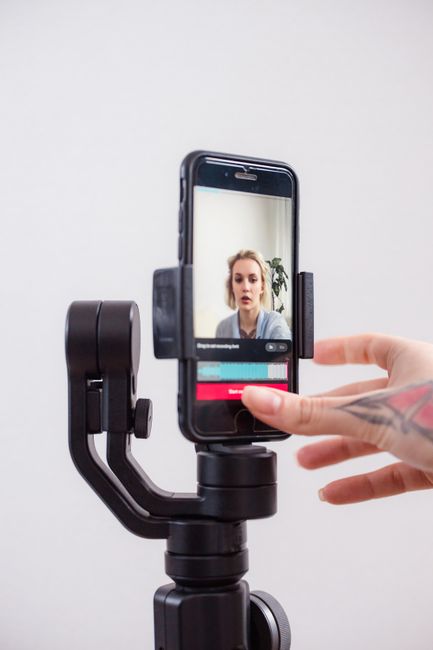
Buffering circles and blackouts. These are the true icons of live streaming, not slick press releases about seamless delivery or “unlimited audience reach.” Anyone who has sat behind a mixing board at a Berlin esports studio, or in a darkened Sydney control room feeding live rugby to thousands, knows that theory only gets you so far once the red light blinks on.
Why the System Is Never Just the Technology
It’s tempting to think of a live streaming system as just hardware and software—a stack of encoders, servers, and content delivery networks (CDNs). But in practice, it’s the choreography between people, unpredictable internet pipes, and business pressure that define success.
Let’s take an example from : When Paris-based music production firm Stagecast partnered with Deezer to stream an exclusive rooftop concert, they had all the right tech—a NewTek TriCaster for video switching, redundant RTMP streams routed through Wowza Cloud for failover. Yet what nearly derailed them? A last-minute city permit issue forced relocation, requiring a complete network reconfiguration just hours before showtime. In most real-world events, human improvisation is half the system.
Anatomy of a Live Streaming Workflow: The Unfiltered Version
In European sports broadcasting—say, for DAZN’s Bundesliga coverage—the workflow looks something like this:
- Camera feeds are captured via SDI connections into production switchers (typically EVS or Grass Valley gear).
- A technical director selects sources for live mixing; audio is mixed separately.
- The program output goes through an encoder (often Elemental Live) that formats video to H. at multiple bitrates (adaptive streaming).
- Encoded streams are sent over dedicated fiber or high-bandwidth internet to an origin server—frequently located in Frankfurt due to its low-latency central position within Europe.
- From there, CDNs like Akamai or Cloudflare replicate streams globally.
- On playback devices—from Chromecast dongles in Vienna flats to iPhones in Oslo—the player negotiates bitrate shifts based on local bandwidth conditions.
Sounds tidy? Only until you consider what actually happens when traffic surges unexpectedly—like when Norwegian striker Erling Haaland scores twice in three minutes. Viewers spike by %, edge caches fill up, and suddenly “seamless” takes work.
Platform Choices Aren’t Neutral Decisions
A common pattern among mid-sized agencies in Poland is leaning toward Twitch and YouTube Live for client campaigns—not because these platforms have better technology per se, but because their built-in discovery features translate directly into viewership numbers. In one Warsaw creative house I visited last year, they described how moving from self-hosted Wowza setups to YouTube Live doubled their average concurrent viewers for niche automotive launches—from roughly to over 1, per event.
But here’s what rarely makes it onto vendor slides: platforms impose limits (streaming delay, strict copyright filters), and monetization models can clash with sponsors’ demands for branded overlays or interactive widgets. These trade-offs shape the actual architecture more than codec specs ever do.
Lessons from Asia-Pacific: Infrastructure Shapes Everything
Australian media producers face constraints Americans rarely consider—especially outside major cities where NBN fibre is patchy at best. During Melbourne Fashion Week , several runway shows used bonded cellular solutions like LiveU Solo Pro units rather than rely solely on venue Wi-Fi or Ethernet. These portable backpacks combine multiple LTE signals into one resilient uplink; staff told me reliability improved by about % over prior years’ single-link setups. Of course, this means additional costs and logistics—but it’s either adapt or go offline mid-show.
Security Concerns Are Not Academic Anymore
When Dutch start-up StreamSecure was hired by a Rotterdam gaming convention last autumn to lock down VIP influencer streams against piracy leaks—they didn’t just deploy AES encryption at the stream level. They also geo-fenced access using Fastly CDN configuration so only Benelux IP ranges could watch real-time footage before post-event VOD release. These layered approaches reflect how security requirements now shape workflows as much as audience demand does.
Growth Stories vs Growing Pains: Real Numbers Tell Both Sides
The global scale can be dizzying: According to Limelight Networks’ reporting from late (public filings), peak live streaming traffic volumes grew nearly % year-on-year across their US/European footprint—a number mirrored by anecdotal reports from French OTT startup Molotov.tv during major political debates or football matches.
But scale doesn’t come free—Molotov engineers describe routinely stress-testing origins with synthetic user loads reaching ten times normal capacity before election nights…only for actual traffic patterns to veer unpredictably when breaking news diverts public attention elsewhere.
Final Takeaways From the Backstage Floor
a) Every city brings its own quirks—Frankfurt’s backbone infrastructure offers low latency; Warsaw agencies chase engagement tools; Sydney teams juggle spotty connectivity with ingenuity.
b) Technology decisions are always entangled with business models and local realities—not just raw specs but sponsor needs and regulatory headaches matter day-to-day.
c) No matter how many dashboards you monitor—or how impressive your CDN contract sounds—it’s still someone running cable under tables at T-minus five minutes who keeps the lights on.
df4baea7bc30af7a2d1955cf9b40dda3-