
Inside the rise of streaming audio files
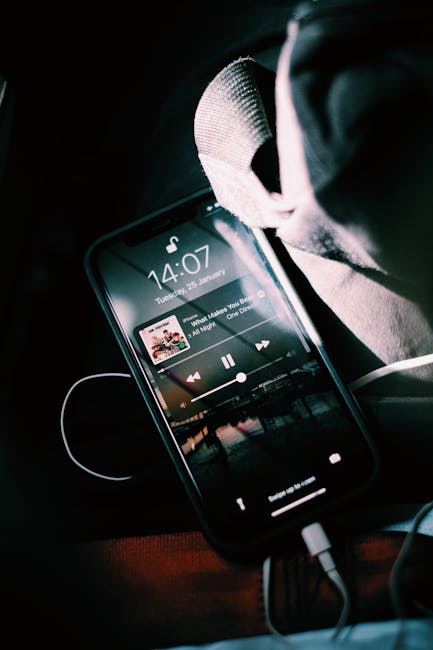
It was late , and in a cramped Berlin studio, producer Mika Jansen watched an engineer upload hundreds of lossless FLAC files to SoundCloud Pro. “We’d never deliver entire albums like this before,” she remembers. “Now our clients expected them by midnight—streaming, not downloads.” If there’s a single image that captures the tectonic shift brought on by streaming audio files, it’s this: less plastic shrink-wrap, more high-speed uploads and anxious glances at server status bars.
From Cassettes to Codecs: A Short Circuit Through History
Rewind twenty years. CDs were king; Napster was still a four-letter word in most boardrooms. The standard workflow for music distribution in Parisian indie labels involved shipping pallets of discs from pressing plants to FNAC outlets across France. Even iTunes, which arrived in , focused on downloads rather than persistent access.
Spotify’s launch marked the beginning of the end for ownership models—at least among urban youth. Today, Spotify alone claims over million monthly active users worldwide. By mid-, IFPI reported that streaming accounted for nearly % of global recorded music revenue—a seismic change that has forced everyone from Tokyo gaming studios to Melbourne ad agencies to rethink how they handle audio assets.
Streaming Audio Files: Not Just for Music Anymore
The phrase “streaming audio files” carries more technical baggage than it once did. In localization houses like Dubbing Brothers (Paris), engineers now juggle cloud-based voiceover tracks for Netflix originals—dozens of language versions delivered via encrypted streaming links instead of old-fashioned FTP transfers.
In practice, the switch means less waiting and more granular version control. One localization manager described having “real-time access to every take” as a game-changer during tight turnarounds on the French dub of Squid Game’s second season.
Case Study: Melbourne’s Podcast Agency Goes All-In on Live Cloud Edits
Consider PodPaste Studios in Australia—a mid-size agency producing branded podcasts for clients ranging from travel brands to state government departments. Their workflow used to revolve around WAV file transfers and weekly Dropbox chaos.
Now? They use Riverside.fm’s cloud recording tools alongside Descript (an AI-powered editing platform). Producers edit interviews collaboratively while listening to live streams of raw files—no download required. Revision requests happen in near real time: a client can flag an awkward pause at minute : during playback, and an editor updates the master file instantly—all within the browser interface.
According to PodPaste’s founder Lisa Hsu, turnaround times dropped by half after adopting these streaming-first tools in late . What’s less obvious—but perhaps more important—is how quickly remote freelancers joined their projects; with everyone working from streamed content stored securely in Europe-based data centers.
Not All Streams Are Equal: Licensing Labyrinths & Latency Headaches
But there are downsides lurking beneath the smooth surface. Take international advertising campaigns produced by Ogilvy Warsaw: campaign audio must be reviewed simultaneously by creative leads in London and compliance teams in Dubai. While platforms like Frame.io make video asset review seamless via adaptive streaming codecs, high-fidelity audio sometimes suffers from compression artifacts or latency spikes if reviewers’ internet speeds falter.
One Ogilvy account director noted that their Polish team had to revert back to downloadable stems for a luxury car spot last year because “the legal review needed zero glitches.”
Gaming Industry Patterns: Streaming Tech Crosses Over Into Playables
Game studios have quietly driven some of the most advanced uses of streamed audio assets outside music itself. Ubisoft’s Montreal office began integrating dynamic voiceover streams into Assassin’s Creed titles as early as —allowing developers and narrative designers scattered across North America and Eastern Europe to instantly preview alternate dialogue versions without rebuilding entire game builds each time.
A common pattern involves localized audio being uploaded nightly into proprietary streaming portals accessible only within Ubisoft’s secure VPN environment—a process described internally as “daily dubs.” This approach shaved weeks off milestone delivery schedules compared with legacy ZIP-and-send workflows.
The Unseen Infrastructure Race (And Its Quiet Winners)
All this frictionless access relies on CDN titans such as Akamai or Cloudflare quietly moving terabytes every hour behind the scenes; few listeners realize just how critical these backbone services have become since about when demand outstripped what traditional hosting could handle.
Smaller European production companies often piggyback off larger partners’ infrastructure deals—sometimes licensing white-label portals built atop AWS Media Services or Google Cloud’s Transcoder API just so they can promise real-time review sessions with clients based anywhere from Stockholm to São Paulo.
The Emerging Norms—and Persistent Gaps—in Streaming Workflows
In practical terms? For mid-size agencies handling TV commercials across multiple markets—from Tel Aviv post houses partnering with German car makers—the new normal is simple:
- No final mix leaves local storage unless it has been reviewed via a browser-based player,
- Every version gets logged automatically,
- Final sign-off happens after at least three stakeholders stream-review concurrently (usually within a three-hour window).
Yet some stubborn gaps remain where bandwidth is patchy or rights management systems don’t integrate well with regional copyright regimes—a recurring complaint among indie film sound mixers working across Balkan states since cross-border licensing remains anything but streamlined.
When Streaming Becomes Invisible—and Inevitable?
Most listeners won’t notice whether today’s hit single is rendered through HLS or DASH protocols—or care that their favorite true crime podcast is mixed live-in-browser while they commute through Munich subways or Melbourne trams. But inside production circles, these changes are palpable: fewer hard drives shipped overnight; more Slack messages pinging editors halfway around the globe; teams reassembling themselves around cloud logins rather than physical mixing desks.
The rise of streaming audio files hasn’t just changed what audiences hear—it has fundamentally reordered who works together and how quickly creative decisions get made.