
What makes streaming system so important
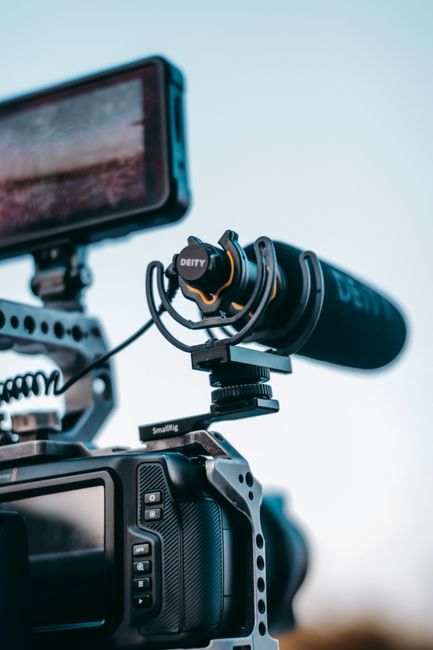
Walk into any European post-production house in and you’ll notice a curious contradiction: editors scrubbing through 8K video timelines, VFX teams collaborating across borders, producers checking instant dailies on their phones — all expecting seamless real-time access to terabytes of footage. Yet five years ago, even major studios in cities like Berlin or Paris struggled with overnight file transfers and USB drives hand-delivered across town. What changed?
It’s not just about the obvious headline-grabbers — Netflix, Disney+, YouTube — but the unseen streaming systems behind the scenes. These are the technical frameworks quietly powering how content is produced, localized, distributed, and even monetized at global scale.
The Tension Between Speed and Quality
Producers today demand two things that used to be mutually exclusive: immediate access (no waiting for files to copy) and uncompromising quality (raw 4K+ formats). In a typical workflow at a Polish localization studio like SDI Media Warsaw, translation teams need synchronized video streams while linguists simultaneously work from home and in-office. A decade ago this would have meant sending lower-res proxies or resorting to clunky FTP downloads. Now? Real-time streaming platforms like Aspera on Cloud or Signiant Jet let dozens of users view frame-accurate material live — no more waiting for giant assets to arrive.
But it’s not just about convenience; it changes who can participate. During the pandemic in –, several Australian animation studios shifted entirely to remote collaboration using cloud-based streaming systems. According to one producer at Studio Moshi in Melbourne, “We went from local servers to everyone logging into virtual edit bays overnight.” Suddenly talent could be sourced from anywhere: colorists dialed in from Wellington; directors reviewed shots from Sydney apartments.
One Case Study: Interactive Content Meets Live Streaming
The gaming sector loves to talk about interactivity, but few outside realize how deeply streaming infrastructure underpins these experiences. Take CD Projekt Red’s approach during Cyberpunk ’s promotional campaign: their team streamed playable demos to international press via Parsec — an ultra-low-latency platform originally designed for remote esports tournaments. Instead of flying journalists into Warsaw (pre-pandemic standard), they streamed live gameplay sessions at near-native quality over standard broadband connections.
This wasn’t just a stopgap; it became a competitive advantage. “We saw engagement go up nearly % compared to traditional preview events,” says one PR manager familiar with CDPR’s campaigns. It’s hard data like this that shifts budgets toward robust streaming architectures — not just for distribution but production itself.
More Than Video: Data Streams Redefine Localization Pipelines
Streaming doesn’t end with pictures and sound. In Berlin-based subtitle vendor VSI Group’s recent shift (), every element of their pipeline — dialogue scripts, timecodes, reference audio — moved onto streamable microservices platforms like AWS Elemental MediaLive. This allowed real-time updates: if a script line changed mid-session due to last-minute director feedback, linguists working from Athens or Madrid saw it update instantly onscreen.
Before this transition? Hundreds of emails per project; version confusion everywhere; days lost reconciling edits by hand. Afterward: “average turnaround times dropped by %, and fewer errors made it into broadcast masters,” notes VSI’s head of technology.
The Quiet Revolution in Advertising Delivery
In Australia’s crowded digital ad market, agencies routinely juggle hundreds of custom video spots targeting specific audiences across TV catch-up apps and social channels. In practice, this means rendering out dozens of variants per campaign (different languages, graphics, legal tags) and pushing them live without delay.
Here too, modern streaming systems replace old-school asset management headaches. At Sydney-based media agency CHEP Network, teams now use Brightcove’s Video Cloud integrated with dynamic ad insertion tools — allowing clients literally see edits reflected seconds later on test devices nationwide before greenlighting release. What used to take days now happens before lunch break ends.
Why All This Matters Beneath the Surface?
None of these improvements make headlines outside trade circles, but without robust streaming system backbones:
- Editors revert to sneakernets,
- International launches get delayed by weeks,
- New revenue models (personalized ads; interactive stories) stall out before they begin.
And crucially: smaller studios can suddenly compete globally because they’re not locked out by physical infrastructure costs anymore.
A common misconception is that only Silicon Valley giants reap these benefits—yet adoption patterns are broadening fast across regions once considered tech laggards. In Spain’s booming OTT market alone (with niche players like Filmin reporting double-digit subscriber growth since ), backend investments in scalable streaming workflows have enabled rapid catalog expansion without hiring armies of IT staff.
The Numbers Point One Way – But Not Without Growing Pains
By late industry surveys showed over % of mid-sized European media companies had migrated core pipelines onto some form of hybrid or fully streamed architecture—whether through AWS Elemental stack or open-source alternatives patched together by nimble engineers in Prague or Tallinn.
Yet bottlenecks remain: rural connectivity gaps slow down live review sessions; security protocols around pre-release assets grow ever more complex as piracy threats evolve; legacy broadcasters still wrestle with integrating cloud-native streams into decades-old playout chains.
But overall momentum is undeniable—and irreversible.
Looking Back To See Forward: The Inflection Point
Historically speaking? The watershed moment arguably arrived circa when HBO Nordic raced Netflix into Scandinavian markets using adaptive bitrate streaming tech rarely seen outside Silicon Valley until then—a move that forced local networks across Sweden and Denmark to rip up old satellite-to-cable routines almost overnight if they wanted to stay relevant among younger viewers demanding instant playback on any device.
Since then the dominoes haven’t stopped falling—from anime distributors in Tokyo leveraging peer-assisted delivery networks for simultaneous global premieres…to African mobile operators rolling out low-data-tier video services powered by leaner edge-streaming stacks tailored for bandwidth-constrained environments.
The point isn’t just speed—it’s flexibility at planetary scale.