house radio to listen online transformation explained for beginners
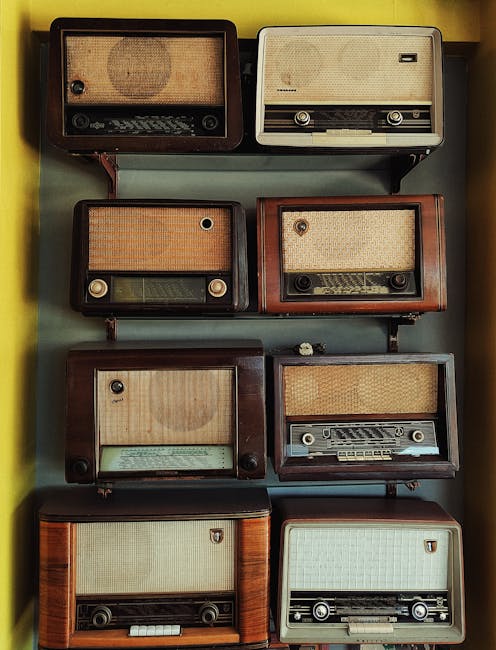
It’s and, somewhere in Manchester, an old Denon receiver sits unplugged on a bookshelf. The owner—let’s call her Anna—hasn’t tuned the dial in years. Yet every Friday night, house music pulses through her apartment via a Bluetooth speaker. She’s not alone. Since at least , what used to be called ‘house radio’ has slipped its terrestrial skin and migrated online. But beginners, especially those who still remember clubbing before YouTube, often ask: what does “house radio to listen online” actually mean now? And how did it morph so fast?
The Shift: From Pirate Towers to Platform Feeds
Rewind to London circa —a city humming with illegal rooftop transmitters and cult-status stations like Rinse FM or Flex FM. DJs would broadcast deep house or garage for anyone within reach of a battered car aerial. It was raw but accessible; you twisted a knob and got music.
Today, almost every former pirate station has gone legit—or digital, or both. Rinse FM is now fully licensed and streams globally from its custom web player (numbers are fuzzy but estimates place their unique online listeners at over , monthly). Even smaller collectives—like Berlin’s Refuge Worldwide—skip FM entirely, broadcasting straight from laptops via Mixlr or Icecast servers.
What Actually Happens Under the Hood?
Let’s cut through the marketing fluff: most online house radio isn’t some “cloud magic.” In practical terms, a DJ plugs into an audio interface; their output is encoded (usually as AAC+ or MP3), pushed up to a streaming server (often hosted by providers like Shoutcast or Radio.co), which then relays the stream to listeners’ browsers or apps.
A common workflow for indie crews in Amsterdam:
- DJ set recorded live in-studio,
- Audio routed via OBS Studio,
- Stream sent to Twitch/YouTube Live (for video) and simultaneously piped into Radio.co for just-audio listeners,
- Archived automatically for later playback on platforms like SoundCloud.
- Custom website stream,
- Simultaneous Facebook Live broadcast,
- Archive uploads to Apple Podcasts and Spotify.
- AI-assisted scheduling tools like Airtime Pro let Polish startup Radio Kapitał automate overnight sets based on user likes,
- Stations use Spotify API hooks to cross-promote trending sets locally (I’ve seen this at work firsthand with Paris collective Le Mellotron).
This mix-and-match model allows them to reach niche fans wherever they’re hiding: bedroom dancers in Warsaw, afterparty hosts in Sydney.
A Real Case: Defected’s Digital Reinvention
Defected Records—the UK giant behind iconic tracks since the late ‘90s—offers maybe the clearest example of scale. Their Defected Broadcasting House show averages over 20k concurrent YouTube viewers per episode and maintains a dedicated /7 house stream on their own site. According to industry insiders I’ve spoken with at Brighton Music Conference last year, Defected’s web-based audience now outweighs traditional radio by nearly 4-to-1 on weekends.
The formula? Syndicate mixes across several outlets:
It creates multiple entry points for new listeners—from diehard vinyl heads surfing web forums to teenagers scrolling TikTok clips tagged #houseradio.
Algorithmic Curation… Or Just More Noise?
Here’s where things get messy—and interesting. Not all “online radio” is curated by humans anymore. Pandora started algorithm-driven playlists back in 2000s America but now even smaller players do similar tricks:
But purists argue that too much automation turns house radio into yet another playlist feed—blurring lines between live community experience and passive background noise.
Barriers Lowered… For Better And Worse
One unintended side effect: there are more streams than ever before (estimates put active internet radio stations globally at over , as of late last year). That means any beginner can launch a “station” from their bedroom—but it also means finding something truly special takes real effort again.
In Melbourne’s electronic scene, small labels like Butter Sessions have started curating pop-up broadcasts during local lockdowns—sometimes drawing hundreds of live chat participants but occasionally being buried amid algorithmically recommended content.
Beginner Pitfalls Nobody Talks About
If you’re starting out as a listener—or broadcaster—you’ll run into familiar headaches:
Why The Human Element Is Still King In House Radio To Listen Online
Despite tech wizardry, most loyal listeners gravitate towards shows that feel personal—not just algorithmic filler. One Brighton-based host told me his weekly show doubled its audience only after including shoutouts and taking WhatsApp voice notes from international fans—a surprisingly analog twist for such digital times.
Even heavyweights like Boiler Room emphasize real-time chat engagement alongside multi-cam HD streams (their average event pulls in upwards of half a million global viewers but keeps moderators busy surfacing fan messages across continents).
So yes—the transformation is undeniable but hardly linear. For every AI-generated playlist masquerading as “radio,” there’s still someone mixing records live from their kitchen for strangers across Lisbon or Prague. Beginners might get lost in jargon about bitrates or server hops—but start anywhere real people gather online around shared rhythms and you’ll find the new spirit of house radio.