The truth about radio online dance music
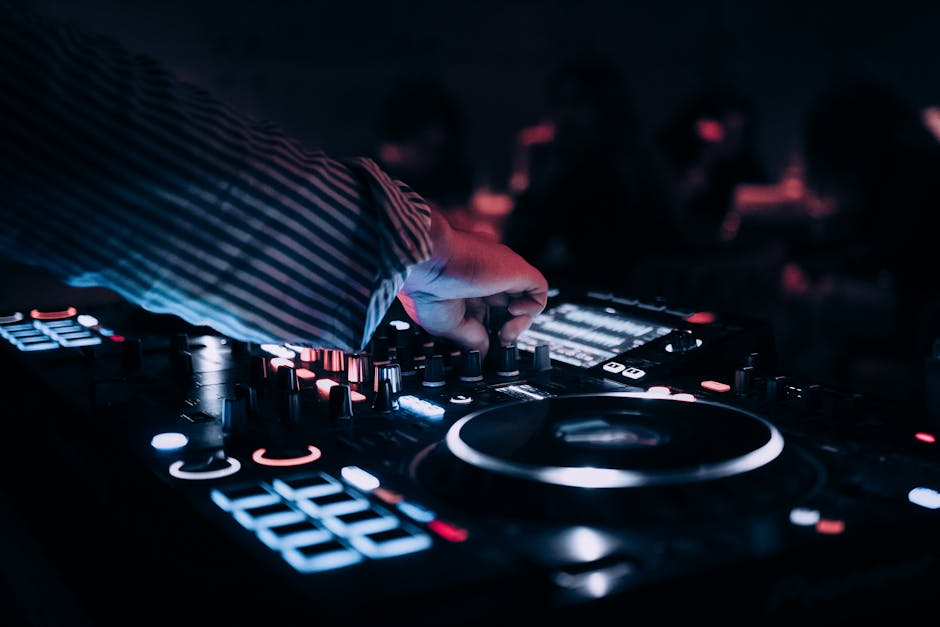
It’s 2: a.m. in Berlin and I’m watching a mid-level electronic music producer sweat over a Twitch chatroom, live-mixing for an audience that spikes to people then dips to within minutes. A few years ago, this same DJ would have been vying for airtime on one of Germany’s FM frequencies—now her reach is global, but her income is a patchwork of Patreon tips and affiliate links. The glossy narrative around radio online dance music rarely pauses long enough to look at these details.
Streaming Hype vs. Underground Realities
Talk to anyone in the European dance scene and they’ll tell you: “Online radio saved us during lockdown.” There’s truth there. In , platforms like NTS Radio (London) and dublab (Los Angeles, with a satellite branch in Cologne) reported surges in listenership—NTS said their unique monthly listeners doubled between March and June . But what those numbers obscure is how quickly the landscape fragmentized after clubs reopened.
Unlike Spotify or Apple Music, which dominate mainstream streaming, radio online dance music remains stubbornly decentralized. Amsterdam’s Red Light Radio closed its physical studio in late , citing unsustainable costs post-pandemic despite international fame. Meanwhile, smaller projects like Poland’s FALA remain passion-driven; their volunteers rotate roles as curators, tech support, and occasional event organizers—all without pay.
A Berlin Studio’s Workflow Up Close
Let’s break down how “radio” actually works for one independent station I visited last winter: Cashmere Radio in Berlin-Lichtenberg. Inside its graffiti-tagged back room sits an ancient Allen & Heath mixer patched into two laptops running open-source broadcasting software (typically Mixxx or Nicecast). Shows are scheduled via shared Google Sheets; DJs bring their own records or pre-recorded sets on USB sticks. There is no playlist automation here—the human hand guides every transition.
After each show, a volunteer slices up recordings into individual podcast episodes using Audacity and uploads them to Mixcloud for on-demand replay. Some hosts maintain Discord channels for loyal listeners; others simply disappear until next month’s slot. Cashmere claims about , unique monthly listeners—a solid number for niche programming—but most presenters juggle other jobs.
Monetization Myths and Platform Tensions
The mythology of online success often ignores financials. Take France-based Le Mellotron: it draws tens of thousands of listeners per month (by their own estimate), but the founders have openly discussed how donations barely cover server costs—even after ten years of operation.
There are exceptions—Boiler Room monetizes dance content via branded partnerships and ticketed livestreams—but these are outliers rather than standard-bearers. For ordinary web radios across Europe or Australia (think Skylab Radio in Sydney), revenue comes from event nights or limited-edition vinyl releases more often than from streaming itself.
Licensing Headaches Across Borders
The truth gets stickier when you ask about licensing—a topic glossed over by many newcomers caught up in the romance of endless digital airwaves. In Germany, GEMA fees apply even to non-commercial streams above certain listener thresholds; British stations must navigate PRS demands just to host archived shows.
I recall one case from Barcelona where an online collective was forced offline after Spanish rights bodies demanded retroactive payments based on estimated listenership logs scraped from their website analytics—a cautionary tale that echoes in forums frequented by DIY broadcasters worldwide.
Listeners Are Global—But Scenes Stay Local?
Despite all this talk of boundary-free distribution, local flavor persists strongly in programming choices. Warsaw’s Radio Kapitał routinely features Polish-language talk sets sandwiched between acid house sessions; meanwhile French web radios still build evenings around Parisian crews’ eclectic tastes.
In practice, artists use these stations less as money-makers and more as calling cards—clips from a guest mix aired on Worldwide FM can help land gigs at boutique festivals from Lisbon to Tallinn (and I’ve seen agents tout radio slots on artist bios as proof-of-coolness during booking negotiations).
Historical Flashpoint: The Boiler Room Era (–)
No exploration of radio online dance music can avoid mentioning Boiler Room’s breakthrough years—a period when the London-born platform shifted perception entirely by combining live video with club-style DJ sets streamed globally. Between and alone, Boiler Room expanded from basement YouTube streams into full-scale events across Tokyo, New York City, Johannesburg and beyond. Their model set expectations for real-time interaction that persist today—even if smaller operators lack comparable resources.
Are We Just Recreating Pirate Radio… Digitally?
Sometimes it feels like we’re looping back to pirate ethos—except now signal hijacking happens via URLs instead of antennas taped to rooftops near Brixton or Rotterdam docks circa ‘–‘. Most meaningful innovation still happens outside formal channels: ad-hoc collectives using Telegram groups to schedule pop-up streams; micro-grants funding temporary “takeover days” featuring marginalized voices otherwise shut out by big-tech algorithms.
A Glimpse From Australia: Skylab Radio’s Hybrid Model
Consider Skylab Radio in Sydney—a hybrid experiment mixing curated playlists with community-submitted mixes broadcast through both FM subcarriers and web streams since . Their team rotates between producing daytime ambient shows sourced locally and live-streaming nighttime club sets piped directly from inner-city venues during major festivals like Vivid Sydney.
Here too, financial sustainability depends less on stream counts than on local sponsorships—from record shops or urban culture initiatives—and occasional government arts grants (the Australian Council chipped in AU$18k last year towards new equipment).
What Actually Matters Now?
Every time an outsider asks whether “online dance radio” will ever turn truly commercial—or fade away—I point back to the small rooms filled with wires-and-hope setups like Cashmere or FALA. Despite shiny dashboards promising global reach, what keeps these projects alive isn’t just technology—it’s community patience with technical hiccups; it’s presenters swapping hosting shifts when someone falls sick; it’s cobbled-together funding patched together month by month.