
Behind live radio 80s music explained step-by-step
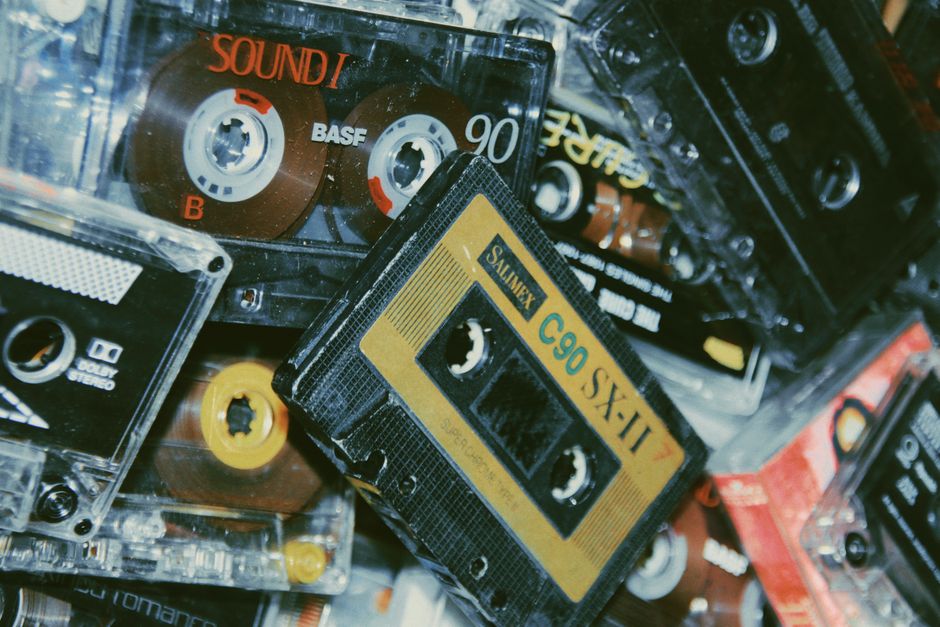
It’s easy to picture the golden FM age: a DJ in oversized headphones, stacks of vinyl, and the unmistakable pulse of Madonna or Prince as the clock hits midnight. But the reality behind live radio’s enduring 80s music presence is messier—and more calculated—than nostalgia would have you believe.
The Secret Choreography Behind Every Broadcast
Most listeners imagine a DJ reaching for whatever song matches their mood. But in actual practice, especially at major stations like Magic Radio in London or iHeartMedia’s Classic Hits syndicate in the US, every minute of an 80s-themed show is scheduled to within seconds. Programmers use playlist automation tools such as RCS Selector or MusicMaster (adopted by over 8, radio stations worldwide) to craft blocks that balance pop hits with deeper album cuts from -.
A weekday evening set might open with “Africa” by Toto—not because it feels right, but because last quarter’s listener retention data shows a spike during those first ten minutes if high-energy tracks run before any ballads. In Germany’s Radio Gong .3, programmers rely on GSelector to map out A/B/C song rotations weeks ahead, adjusting only when breaking news or audience requests force a deviation.
Vinyl Is Gone—But Not Forgotten in Sound
While the tactile act of cueing up LPs vanished from most control rooms by the late 1990s, many stations strive for authenticity. At Melbourne’s Gold104.3—a leader among Australian retro playlists—the production team uses digital remasters sourced from original analog tapes where possible. Occasionally, they’ll even throw in light vinyl crackle overlays for specialty shows based on feedback from focus groups: about one-third of surveyed listeners aged – say they prefer this “lived-in” sound to sterile remasters.
Behind the scenes, audio engineers check each track against broadcast loudness standards (often using Orban Optimod processors), ensuring Michael Jackson’s “Beat It” doesn’t blow out eardrums compared to quieter tracks like Sade’s “Smooth Operator.”
Requests Aren’t What They Seem
At first glance, live call-ins and Twitter shout-outs look spontaneous—especially during Saturday night specials on platforms such as Absolute Radio 80s. Yet almost all requests are pre-filtered by producers monitoring social media feeds with tools like TweetDeck and Facebook Insights dashboards. The requests making it to air tend to reinforce playlists already optimized for engagement.
In real campaigns observed at NRJ France during their annual “Back To The 80s” week (which draws roughly a % bump in prime-time listenership), backstage staff tag trending artists or anniversaries ahead of time so hosts can nudge listeners toward specific nostalgia triggers.
The DJ: Performer or Pilot?
There are still moments of real improvisation—the lone host alone past midnight in Manchester at Smooth Radio picking a rare B-side as an unscripted tribute—but these exceptions prove the rule.
In typical weekday workflows at American classic hits stations owned by Cumulus Media, DJs are less selectors than pilots following strict flight plans: ad breaks must hit precisely; talk segments rarely exceed three minutes; contests and weather updates get slotted between songs according to ratings-driven formulas refined since Arbitron’s Portable People Meter rollout in .
Commercial Nostalgia and Licensing Hurdles
No step-by-step breakdown is complete without mentioning licensing headaches. Unlike streaming services such as Spotify, terrestrial radio faces blanket agreements negotiated via ASCAP/BMI/PRS—for example, Bauer Media Group across Europe pays flat fees covering massive music libraries but must still report play counts monthly. Smaller community stations often stick to public domain covers when facing budget squeezes—a reason why some late-night retro shows sound just slightly off-key compared to their big-market counterparts.
A regional station outside Kraków described their workflow for themed nights: prepping playlists two weeks early using local digital archives (often incomplete), double-checking rights clearance per track—a process eating up nearly six hours per four-hour show if done manually.
When Technology Fails—And Human Judgment Steps In
Automation isn’t foolproof. During a storm-induced outage at Dublin’s Radio Nova last year, backup generators failed and queued software collapsed mid-sequence—forcing presenters into frantic live mixing from USB sticks and hastily downloaded MP3s until normal service resumed after midnight. Listeners called it one of the most authentic-sounding broadcasts all year; ratings spiked above average that weekend despite minimal polish or planning.
Why Audiences Still Tune In For That Live Edge
For all the precision and scripting behind these shows, there remains an unpredictable current that no algorithm can fully replicate. Many German fans recall Antenne Bayern’s marathon “80er Wochenende” events—where occasional slips (“wrong version” mishaps or accidental silence) become part of collective memory.
As research firms like RAJAR note, UK audiences aged – are actually increasing their time spent with live radio specifically for themed programming—even as younger demographics drift elsewhere—in part due to this blend of curation and risk that only comes with real-time broadcasting.
—
Live radio keeps spinning its illusion of spontaneity—with digital tools humming quietly beneath every sax solo and synth riff from four decades ago.