
Everything you need to know about streaming audio for marketers
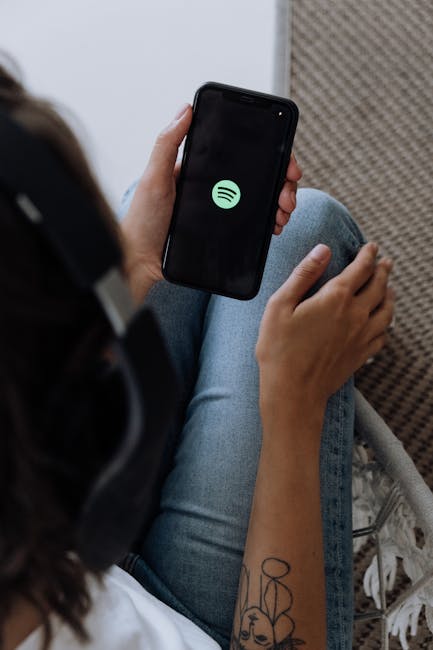
It’s an open secret in media buying circles: the lowest CPMs and highest engagement rates aren’t found where you’d expect. Over the past five years, as visual ad platforms have been gamed and audiences tune out banners, streaming audio has quietly become a preferred playground for savvy marketers. But there’s a catch—this isn’t just about running Spotify pre-rolls or dropping a podcast host-read into any feed with listeners.
Consider how agencies in Berlin set up integrated campaigns. Three years ago, Studio Wundermacher (a mid-sized creative shop) ran a multi-city launch for a new mobility app. They didn’t just buy inventory on Deezer—they built a sequence: hyper-localized radio-style spots on TuneIn, influencer integrations within local German tech podcasts, and then retargeted users who engaged via programmatic audio exchanges like Targetspot. The result? A % lift in unaided brand recall compared to their previous mobile push campaign focused entirely on social video.
Let’s be honest: most brand managers still think of streaming audio as either music playlists or podcast ads, but that misses where the real attention lies today.
A Marketplace That Refuses to Sit Still
There’s no single platform dominating globally—not since when Apple Podcasts overhauled its creator tools and Amazon Music poured resources into spoken-word content. In Australia, Nova Entertainment partnered with Acast to let small businesses insert dynamic ads into curated podcast playlists based on time of day—a workflow now so routine that even hair salons in Perth can geo-target commuters during morning rush hour.
Meanwhile, US-based brands are experimenting with audio in ways that go beyond traditional spots. Nike’s “Run With Us” campaign used Spotify’s API to deliver motivational messages triggered by user workout data—delivering personalized encouragement at mile markers (and collecting opt-in email signups along the way). It wasn’t just clever; it generated more than , unique interactions across three months according to one agency insider familiar with the numbers.
The Workflows No One Tells You About
Here’s what many outsiders miss: streaming audio campaigns rarely run standalone anymore. At London-based agency SonicSpring, typical workflows include simultaneous script adaptation for UK English and Polish markets—using AI-assisted tools like Veritone MARVEL.ai to generate localized versions fast enough to hit synchronized release dates across Europe.
But complexity brings risk. In early , an Italian FMCG brand tried automating all its creative localization for Amazon Music Italy using synthetic voice tools alone—the result was audience confusion (the regional accent was off) and negative feedback on social channels. Lesson learned: human review is non-negotiable if you want resonance.
Measuring What Matters (and What Doesn’t)
Anyone who’s deployed cross-platform audio knows attribution is murkier than digital display—but not impossible. Platforms like Adswizz or Triton Digital allow granular breakdowns by device type, listening context (mobile vs desktop), and even weather triggers in some European test markets.
When L’Oréal Portugal piloted streaming audio as part of its summer fragrance launch last year, they tracked uplift by measuring unique QR code scans announced only through their podcast sponsorship segment—a modest but trackable 4% increase in coupon redemptions versus their control city (Porto).
Who Actually Listens—and Why That Changes Everything
Spotify claims more than million monthly active users as of late ; yet anyone working hands-on will tell you raw reach tells only half the story. The real currency here is attention span—the difference between passively skipping tracks on YouTube Music versus tuning into NPR’s “Up First” every morning or catching live commentary during Bundesliga matches via DAZN Germany’s exclusive streams.
For DTC brands targeting Gen Z, this means micro-campaigns built around moments—like French startup GreenMix delivering snackable product stories straight into playlist transitions after school hours (when listener spikes are algorithmically predictable).
Audio Creative Isn’t Just Reading Scripts Anymore
A common misconception among first-timers is that good creative simply means hiring a recognizable voice actor or influencer host. But in practice? Agencies increasingly layer in sound design elements borrowed from gaming studios—think spatial effects or reactive music beds—to anchor memory around key brand phrases.
Take the example of Warsaw-based studio SoundFoundry collaborating with CD Projekt Red: for Cyberpunk ’s companion podcast series (), they engineered subtle ambient cues specific to each story arc, later adapted by beverage brands seeking similar immersive tactics for limited-edition flavor launches online.
If Streaming Audio Is “Cheap”—Why Don’t More Brands Nail It?
Because it isn’t plug-and-play. Budgeting $10K/month for inventory is easy; making sure your message lands authentically across Milanese commuters at 8am versus Sydney surfers at sunset requires tactical planning—and often expensive post-production tweaks nobody mentions during pitch meetings.
And yet—for those who get it right—the payoffs scale far beyond impressions. As mid-market CPG companies across Northern Europe have seen since late-: agile streaming audio buys often outperform static social media posts when tracking first-touch-to-purchase conversion paths over Q4 holiday windows.
Final Notes From Inside Real Campaigns…
Ask production teams at Paris’ La Sonothèque about what separates memorable campaigns from forgettable ones and they’ll mention two things: respect for local nuance (never generic voiceovers) and willingness to experiment with format—sometimes skipping ads altogether in favor of short branded stings or co-created artist sessions.
So while spreadsheets may show rising adoption curves—from roughly % share of digital ad spend on audio formats in Western Europe back in up to nearly double that today—the practical reality is much messier and richer than simple growth charts suggest.