Inside the world of online dance music
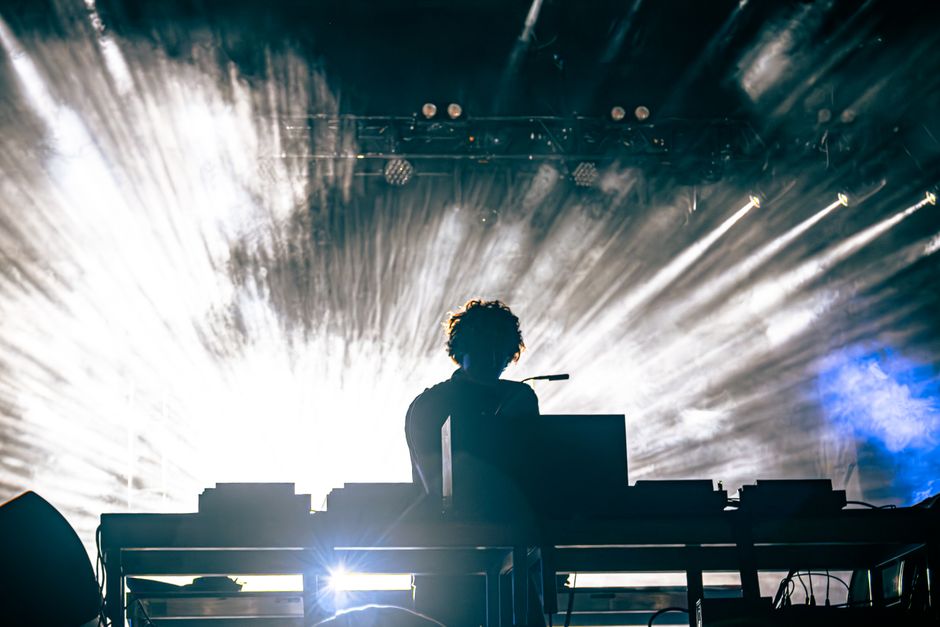
It’s :43pm in Helsinki. In a cramped apartment where the curtains never quite close out the midsummer dusk, Leo is hunched over his laptop – a pair of battered Technics 1210s to one side, a half-empty bottle of Karhu lager on the other. What’s new is not the gear, nor the ritual. It’s that instead of sweating it out with strangers in some underground tunnel club, he’s live-streaming his set to Twitch for an audience that could include teens in Seoul, collectors in Brighton, or insomniacs in São Paulo.
This isn’t a pandemic relic. A full decade after Boiler Room first broadcast from London ( – yes, really), online dance music culture has mutated into something sprawling and contradictory: democratized but also more fragmented than ever before.
When the Club Moves Into Your Browser
For years, SoundCloud was the go-to for DJs dropping mixes and producers sharing dubplates. But since around — when Mixcloud won its licensing battle and started actively courting labels — workflows began to diverge. In Berlin studios today, it’s common for collectives like Room 4 Resistance to premiere unreleased tracks on YouTube streams while simultaneously pushing exclusive playlists through Patreon-backed Discord groups. A few clicks away, fans dissect tracklists or exchange Ableton Live project files.
Meanwhile in Melbourne, promoters like Novel have shifted budgets toward hybrid events: livestreams from rooftop venues with parallel Zoom rooms where ticket-holders can interact directly with artists between sets. Real-world attendance at these events (often capped at due to local regulations) is dwarfed by online viewership; last year’s NYD party reportedly drew over , unique viewers across three platforms—Facebook Live pulling twice as many as Twitch or YouTube.
Monetization? Still Murky After All These Years
Nobody talks about getting rich playing house music online – unless you’re Peggy Gou or Four Tet (both rumored to rake in five-figure sums per stream during peak lockdown months via sponsored content and merch drops). For mid-level artists and small labels, online dance music remains a tangle of micro-revenue streams: Mixcloud Select subscriptions (typically netting $–$/month for niche curators), Bandcamp Friday sprints (with sales spikes exceeding % on release days), direct PayPal tips flashing onscreen during livestreams.
A producer friend in Rotterdam described it best: “The money is pizza money most weeks. But what matters is reach.”
Algorithms vs. Community Radio: The Great Fragmentation
Spotify added its DJ mix feature in late but uptake among veteran selectors has been sluggish. Why? Licensing headaches remain endemic—anecdotes abound of entire label catalogs vanishing overnight due to algorithmic flags or legal gray zones. Instead, real communities stick with time-tested tools: stations like NTS Radio (London), dublab (Los Angeles), and The Lot Radio (Brooklyn) all report steadily growing web audiences — NTS claimed over 2 million monthly listeners by late .
What happens behind the scenes? In typical production workflows at these stations, volunteer programmers stitch together themed blocks using cloud storage platforms (Google Drive still rules here) while guest DJs pre-record sets via home setups—sometimes mixing vinyl straight into cheap audio interfaces just hours before their slot airs live worldwide.
One Scene Splinters Into Many Rooms
The very nature of online distribution means niche scenes thrive where geography once limited them. In Poland, Unsound Festival started hosting experimental electronic workshops via custom-built portals as early as spring ; organizers noticed signups coming from rural villages previously far removed from Kraków nightlife.
A similar pattern emerged in Brazil—São Paulo’s Gop Tun collective pivoted hard into Twitch streaming post-pandemic and now regularly pulls global crowds for their Afro-Latin dance marathons without ever booking an international headliner onsite.
Is this always good? Not according to everyone I’ve spoken with. A London-based label manager told me bluntly: “We used to build crews face-to-face; now we’re chasing Discord notifications.” There’s real FOMO—but also unprecedented creative cross-pollination happening quietly across borders.
The Tools That Made It Possible…And Their Limits
Zoom fatigue isn’t just for office workers; try running eight-hour disco marathons via OBS Studio while juggling copyright claims from three continents. Most DIY streamers rely on free/cheap tools—Open Broadcaster Software (OBS), Streamlabs overlays—and jury-rigged video backdrops that would make MTV’s heyday blush.
A telling case comes from Tallinn-based artist Kiisu who saw her monthly listener count triple after collaborating on a multi-national digital festival organized via Slack channels and Google Docs spreadsheets—a scenario unthinkable even five years ago when big-name bookings still meant flights and visas rather than fast upload speeds.
Still missing? Seamless integration between streaming platforms and proper track attribution outside Bandcamp—a sticking point cited by nearly every indie label I’ve contacted recently.
Where Next?
Perhaps nowhere definitive—and maybe that’s fine. For every slickly produced Defected Virtual Festival beaming out from London studios with six-figure sponsorships there are hundreds of tiny living room raves held together by DMs and Dropbox links.
Online dance music isn’t replacing clubs—it never really could—but it has rewritten how scenes grow up, fragment, recombine, and sometimes stumble into virality overnight. Sometimes it’s a lonely Finnish DJ spinning breakbeats into the void; sometimes it’s millions tuned into a digital block party spanning time zones no one predicted would matter so much.