
music streaming platforms explained simply what you need to know
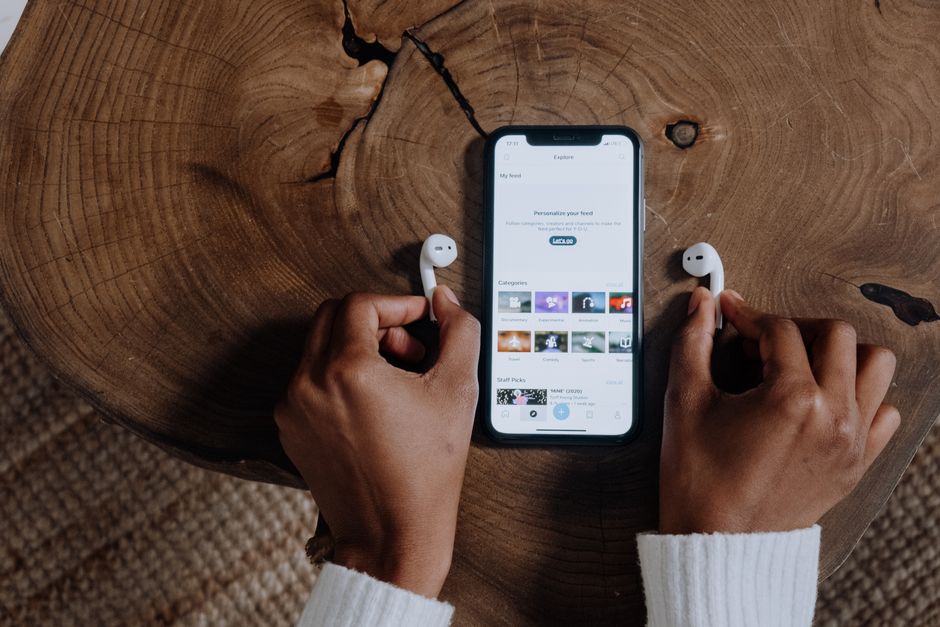
It’s late at night in a student flat in Glasgow. Someone opens Spotify and tosses their phone onto the kitchen table. Within seconds, Miles Davis spills out of a battered Bluetooth speaker. No one thinks about what’s happening under the hood—how that track zipped from a Swedish server farm to a Scottish kitchen, or how many micro-payments shuffled between rights holders for those three trumpet notes.
The frictionless magic of music streaming platforms is both their biggest triumph and the root of endless confusion.
Where “Unlimited” Isn’t So Simple
Spotify. Apple Music. Deezer. Tidal. Amazon Music. The list goes on, each promising millions—sometimes over million—tracks at your fingertips for less than the price of two London pints per month. But in practice? Licensing deals mean catalogues shift constantly. In early , Taylor Swift briefly pulled her albums from Apple Music UK during a contract dispute; fans scrambled to find workarounds or reverted to YouTube rips.
A common misunderstanding: no platform has everything, everywhere, always. Even with Apple announcing million tracks available globally last year, regional restrictions mean an indie band out of Warsaw might be available in Poland but not Australia until local licensing gets sorted (which can drag for months).
The Workflow Nobody Sees: Studio to Stream
Let’s take an actual release cycle from an independent German label in Berlin—say, Morr Music. Their process is rarely direct-to-Spotify upload:
This invisible infrastructure involves thousands of companies and constant technical updates—the kind most listeners never imagine while queueing up their commute playlist.
Money Flows Like Water… Sort Of
Here’s where things get sticky—and where most heated industry debates start: who gets paid when you hit play?
Platforms like Spotify operate on a “pro-rata” model: all subscription money goes into a pot and is split based on total plays across all users in your country that month. In practical terms: if Ed Sheeran tracks make up 5% of all UK streams this April, he and his label take 5% of the UK revenue pot—even if you only listened to underground Lithuanian jazz.
Tidal tried something different with user-centric payment trials in Denmark back in , allocating each listener’s fee directly to artists they streamed that month—but uptake was slow beyond small European pilots due to complexity with major labels’ accounting systems.
Actual artist payouts remain razor-thin unless you’re chart-topping: €0.–€0. per stream is normal for smaller acts working through French distributor Idol or similar mid-sized aggregators.
Algorithmic Discovery vs Human Touch
Australians using YouTube Music often complain about getting stuck in algorithmic loops (“You liked Tame Impala? Here’s more Tame Impala… forever”).
Yet real-world playlists curated by teams at BBC Sounds or Berlin-based radio station FluxFM routinely surface lesser-known acts who later break out internationally—as happened with Norwegian singer Sigrid after repeated airplay and streaming boosts around .
In practice, discovery tools blend human curation (editors making themed playlists) and cold math (collaborative filtering algorithms). For big platforms like Apple Music—which employs dozens of curators spread between London and Los Angeles—it’s a hybrid workflow combining editorial meetings with machine learning recommendations fed by user skip rates and listening patterns every Monday morning.
Local Nuances Matter More Than You’d Think
If you live outside North America or Western Europe, choice isn’t just about pricing tiers—it’s about which platform actually serves your market well enough to bother signing up for monthly fees at all.
Take Melon in South Korea: it holds roughly half the Korean market share despite global giants operating there since ; Korean labels prefer Melon because its internal charts drive mainstream media coverage and festival bookings more reliably than international equivalents ever could.
Meanwhile, Anghami dominates Arabic-speaking markets partly because its Beirut engineering team tailors recommendation engines for Egyptian pop as easily as Gulf rap—a level of localization global players routinely struggle with when launching new regions (as seen during Spotify’s rocky Turkish rollout circa ).
The Social Layer Nobody Asked For… Until It Works?
Remember Ping? Probably not—that was Apple’s failed social network experiment inside iTunes circa -; almost nobody used it outside US tech journalists trying to review it under embargo.
Fast forward: today TikTok influences streaming success far more than anything built natively within existing platforms. Real-world case—“abcdefu” by GAYLE went viral on TikTok before reaching #1 on US Spotify charts mid-; labels now invest entire marketing budgets into short-form video strategies hoping lightning will strike twice rather than relying solely on playlist placements as they did five years ago.
A regional counterpoint: Polish label Kayax reported that localized Instagram Reels campaigns generated bigger streaming spikes for emerging singer Sara than national radio rotation did during summer festivals last year—a pattern more common across Central Europe now than anyone predicted pre-pandemic.
Not Just About Playlists: Audio Quality & Tech Differentiation
Audiophiles still argue over lossless FLAC files versus compressed MP3s—but few mainstream listeners notice unless they use high-end gear (or live next door to obsessive HiFi dealers).
Qobuz and Tidal pitch themselves hard on audio quality—in Paris showrooms selling € headphones this matters—but elsewhere these features barely move subscriber numbers compared with bundled offers (Amazon Prime Music) or student discounts launched first by Deezer back in Belgium around .