The impact of free music sites (full guide)
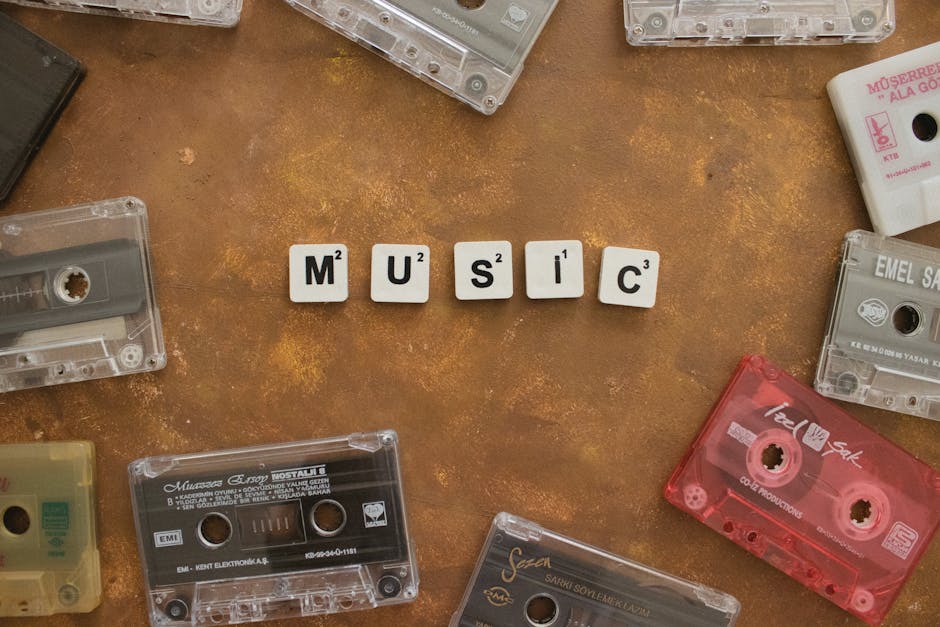
It’s , and in a cramped rehearsal room outside Manchester, four twenty-somethings hear their demo leaked online. On one hand, it’s exhilarating—some random blogger in Barcelona is raving about their track. On the other? Their potential single, months before release, is now available on a dozen free music sites. The tension between exposure and loss feels almost physical.
Fast forward to the present, and that dynamic hasn’t vanished—it’s evolved. Free music platforms are no longer just shadowy forums or file-sharing havens. They’re embedded in the mainstream: from SoundCloud’s DIY ethos to Jamendo’s creative commons library (reportedly hosting over , tracks by ), these services sit at the heart of how millions experience music today.
Piracy Was Just the Beginning
Anyone who watched Napster collapse in remembers panic and indignation from labels—and little sympathy for artists caught in legal crossfire. By , streaming giants like Spotify had begun shifting habits toward legitimate access (Spotify itself crossed million paying users in May ), but free options didn’t vanish; they multiplied.
For context: when GrooveShark shut down in after years of legal troubles with Universal and EMI, dozens of copycat platforms appeared within weeks. In Berlin’s electronic scene, young producers often admitted they discovered new tracks through such unofficial channels long before finding them on legal streaming apps.
Case Study: The Bedroom Producer’s Dilemma
Consider Arjun Mehta—a Mumbai-based producer who uploads beats to both YouTube and Audiomack (a platform reporting over million monthly users globally). His workflow is typical: export stems late at night, upload to several sites with varying licensing policies. He knows some downloads will be used unlicensed in indie game mods or student films across Europe—”That’s unavoidable,” he shrugs—but believes this wild distribution helps his name circulate far beyond what paid-only models could offer.
The flipside? Royalty statements are confusingly sparse. If a German content creator uses his track under a free license but then monetizes it on Twitch or TikTok (not uncommon—Twitch alone peaked above 2 million concurrent viewers in early ), tracing compensation becomes nearly impossible unless he plays digital detective.
When Free Means Exposure—And Exhaustion
There are success stories where free releases lead to real opportunity. Take Clairo: her viral hit “Pretty Girl” gained traction through YouTube and Bandcamp’s pay-what-you-want model before she landed major label attention in . Labels have since scoured these platforms for emerging talent—the so-called “SoundCloud rap” era saw multiple Billboard hits originating from entirely free uploads.
But there’s exhaustion too. Independent musicians report spending hours responding to copyright claims or negotiating removal requests when tracks surface on Russian or Turkish aggregator sites with little recourse. In Poland, small agencies sometimes advise clients to avoid using “free” background tracks altogether due to uncertainty around provenance—a situation confirmed by Krakow-based composer Aleksandra Mazur during a recent podcast roundtable.
Corporate Strategies: Embracing the Inevitable?
In practice, most big players have stopped trying to stamp out free access entirely—instead weaving it into their funnel strategies. Universal Music Group licenses portions of its back catalog for use on ad-supported platforms like YouTube Content ID; meanwhile, independent distributor DistroKid touts integration with TikTok Sounds as a way for unsigned acts to seed their music directly into viral trends (TikTok reported over one billion monthly active users globally by late ).
Australian advertising agencies routinely recommend using Epidemic Sound or Artlist—subscription-based libraries offering royalty-free music—to sidestep licensing headaches altogether during campaign production cycles.
A Balkanized Landscape—By Region and Regulation
Patterns vary sharply across borders:
- In Germany, GEMA enforcement means many smaller free sites block local IPs outright or restrict catalog access.
- In Brazil’s favela funk community (funk carioca), DJs share hundreds of tracks daily via Telegram groups—essentially an underground free distribution network that doubles as grassroots promotion.
- Meanwhile Estonia’s e-residency program has sparked micro-labels focused exclusively on digital distribution via free-to-stream catalogs targeting niche international scenes.
Each environment produces different incentives—for some artists, geographic reach trumps revenue consistency; for others (especially those dependent on sync deals), ambiguity around usage rights remains a dealbreaker.
Numbers That Matter—and Those That Don’t Tell The Full Story
What does all this add up to? IFPI estimated that unpaid music consumption still accounted for roughly % of global listening hours as recently as mid-2020s—even as paid streaming eclipsed CD sales worldwide back in .
Yet these numbers obscure lived realities: the artist with five million streams may earn less than $ if those plays come mostly from ad-supported tiers or entirely unmonetized aggregators—a pattern repeatedly discussed among US indie musicians frustrated by low per-stream payouts combined with high visibility expectations.
Epilogue: Lessons From Warsaw to Los Angeles Studios
In real-world studio workflows—in LA post-production houses or Warsaw’s boutique game audio shops—the same question lingers each week: stick with licensed cues everyone can trace back…or risk something fresher found deep inside an unvetted library?
Free music sites have democratized discovery but muddied accountability lines beyond recognition. For every Cinderella story launched from SoundCloud anonymity into festival headlines, there are hundreds more quietly navigating takedown notices—or watching their best ideas go viral without credit halfway around the globe.