
The inside story of streaming live for creators
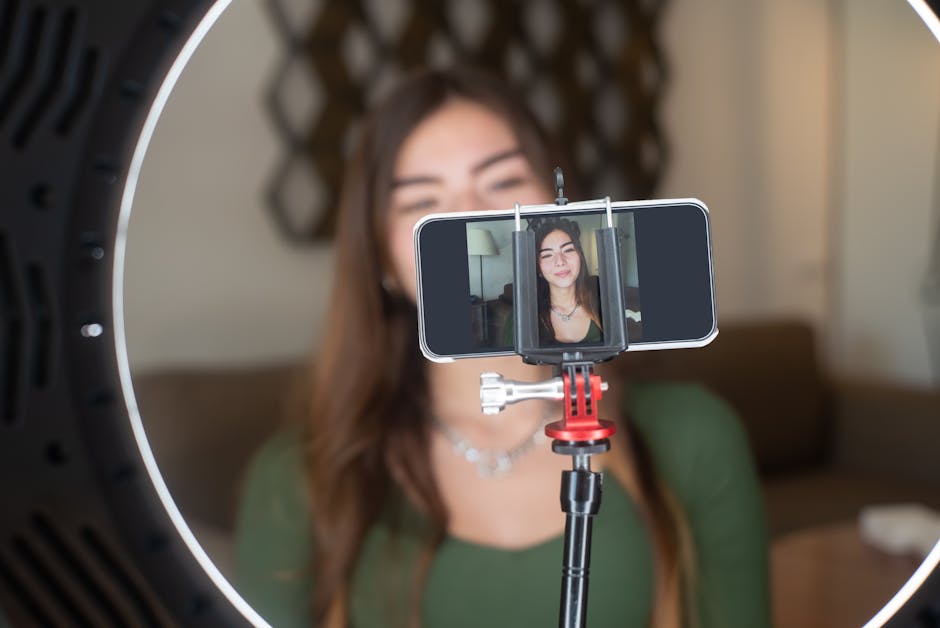
There’s a moment—seconds before the red light flashes and you’re live—when even veteran streamers feel that animal flicker of dread. It’s not just nerves or performance anxiety; it’s the knowledge that anything, from a power outage in Malmö to a last-minute DMCA takedown, could upend hours (sometimes days) of preparation. For creators, streaming live isn’t about hitting “Go Live” on Twitch or YouTube. It’s about orchestrating chaos with an audience that expects both intimacy and spectacle.
The setup: not as simple as it looks
On paper, livestreaming is easier than ever. OBS Studio and Streamlabs have cut technical barriers for solo creators, while platforms like TikTok Live and Instagram bring live moments to hundreds of millions daily. But the reality? In mid-sized production studios across Berlin, livestreaming means a patchwork of hardware switchers (think Blackmagic ATEM), audio interfaces, custom overlays built in After Effects—and at least three forms of internet redundancy.
Take StreamWorks Poland, a boutique studio outside Warsaw specializing in multilingual event broadcasts. Their workflow last year involved six-person teams juggling Wirecast Pro for video switching, vMix Call for remote guests patched in from Spain and Singapore, plus real-time translation via Interprefy. “We lost count of the number of network failsafes we tested,” says Marcin Lesiak, their lead engineer. “After one blackout during a esports final cost us 4% audience drop-off in under two minutes, we now always run dual ISP lines—even if it doubles our monthly bill.”
When creators become producers
For individual creators—not just studios—the stakes are personal and paradoxical. Consider the rise of streamers like Pokimane or Ludwig Ahgren: they operate from home setups pushing $10k in gear but manage productions rivaling small TV stations from the early 2000s.
A common pattern among US-based gaming streamers is modular setups: multiple cameras (Sony Alpha or Logitech Brio), Elgato Stream Decks mapped with macros for scene transitions, Discord channels buzzing with moderators ready to mute trolls within seconds. Realistically, any given week can mean troubleshooting NVIDIA driver updates on the fly while fielding audience questions in real time—a far cry from pre-recorded content workflows.
A numbers game: growth and pressure
Livestreaming’s expansion isn’t new news—Twitch famously doubled its unique visitors between and (from roughly million to over million per month). But what rarely gets attention is how much this surge has raised expectations. Early adopters could get away with laggy webcams; today, viewers expect HD feeds at minimum 60fps with embedded chat overlays and instant replay highlights—all running smoothly whether you’re broadcasting from Sydney or São Paulo.
In Australia, local agencies like Click Management have begun training talent specifically on retention tactics for live audiences: “We advise talent to prep at least three fallback topics for every hour streamed,” says founder Grace Watkins. “Viewership drops off sharply after five minutes without engaging interaction.” A recent campaign supporting indie game launches showed that streams integrating scheduled Q&A segments retained up to % more concurrent viewers versus unstructured gameplay alone.
The platform edge—and its pitfalls
Platform support is both lifeline and landmine. YouTube Live boasts robust DVR functionality useful for music acts—case in point: Berlin-based label Monkeytown Records leverages it to allow fans across time zones to rewind mid-set—but its copyright sweeps have torpedoed streams mid-performance more than once.
Twitch’s Just Chatting category shows another wrinkle: algorithmic discovery rewards quantity almost as much as quality. Creators grinding out daily sessions see faster follower growth but also face burnout cycles reminiscent of Japan’s doujin manga circles—always one deadline away from collapse.
Localization headaches and mini-victories
One scenario stands out from late : a Greek production house experimenting with multi-language charity concerts found their English-to-French auto-caption bot mangling song lyrics so badly it became an accidental meme on Twitter France (#LiveLyricsGoneWrong trended briefly). They pivoted by hiring freelancers via Upwork to manually subtitle future events—a move that improved both engagement metrics (average view duration increased by nearly %) and fan sentiment online.
Not everything scales elegantly when streaming live beyond borders; latency between Athens’ uplink and Facebook servers routinely forced them into awkward dead-air patches while waiting for chat feedback loops to catch up.
Tech meets vulnerability—every broadcast is risk management
What most outsiders miss is just how much emotional labor goes into every session. Livestreaming leaves no edit room safety net; mistakes are public, reactions immediate. In cases observed within UK charities using Givebutter integrations during fundraising marathons, presenters had to improvise through payment API hiccups—sometimes narrating their own tech failures directly to donors who responded by increasing tips out of empathy rather than frustration.
The future? More friction—and more connection?
AI tools promise smoother moderation and smart overlays soon enough (StreamElements recently piloted context-aware alerts), but few believe automation will erase the adrenaline-junkie edge creators crave—or dread—about going live.
So next time you see that effortless banter or seamless guest handoff on screen—from Melbourne esports hosts or Parisian fashion vloggers—remember there’s almost always someone off-camera sweating bullets over bitrates, backup plans…and hoping nothing explodes before they hit End Stream.