
The rise of online audio tracks
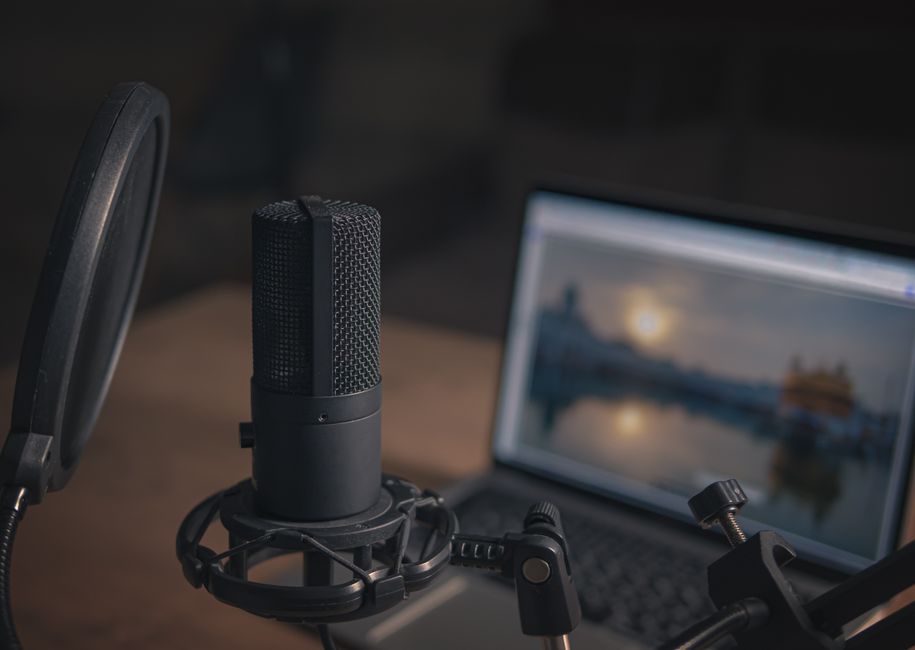
There’s a strange moment in the Paris metro when half the carriage is enveloped in their own sonic world—pods in, eyes closed, lips almost moving. Not music, not always podcasts, but something subtler: guided meditations, language lessons, ambient city soundscapes. In , Spotify was still mostly about albums and playlists. By , the line between music and every other kind of online audio track has blurred so thoroughly that even studio producers have to pause and ask: What are people actually listening to?
The New Soundtrack Economy
A decade ago, any mention of “audio track” conjured up MP3s or CDs (for the truly nostalgic). Now? It might be a sleep story from Calm, a daily affirmation via Headspace, or an AI-generated background loop for productivity downloaded from Endel. If you step into the Berlin offices of Endel—a platform that uses algorithmic soundscapes to boost focus—you’ll find teams engineering endless streams of adaptive audio. Their user base tripled between and as remote work surged; their content isn’t exactly music nor podcast nor audiobook.
It’s an entirely new category. And it’s growing fast enough that Nielsen’s digital audio report estimated non-music audio now makes up over % of all streaming hours across Europe.
A Workflow Unseen by Listeners
In real production houses like London-based Wisebuddah Studios (known for radio branding), workflows around online audio tracks have shifted fundamentally since . Where once they delivered fixed mixes for radio broadcast, now their teams create modular stems designed to be shuffled by streaming platforms’ algorithms—allowing for personalization on the fly.
One Wisebuddah producer described how a typical order from a mindfulness app looks today: “They’ll want thirty variations on a single theme—different lengths, moods, spoken-word overlays—so users never hear quite the same thing twice.” It’s less about perfection and more about seamless integration into someone’s life rhythm.
Case Study: Australian Education Goes Sonic
Walk into a Sydney public school tech lab and you might find students using Listenwise—a US-origin platform adapted for Australian classrooms—to stream subject-specific audio news stories tailored for ESL learners. Since rolling out nationwide in late , Listenwise reports engagement rates among language learners climbing by nearly %. Teachers can assign different tracks based on reading levels; students can replay or slow down segments as needed.
This isn’t just pedagogical theory—it’s a direct response to years of patchy access to classroom materials during Covid- lockdowns. Schools cobbled together playlists of science explainers and historical mini-dramas sourced from BBC Sounds or ABC Radio National archives. Now? There are subscription services built entirely around curated online audio tracks. And teachers have come to depend on them.
Beyond Music: The Algorithmic Audio Gold Rush
If you scroll through YouTube in Warsaw after midnight (don’t judge), you’ll stumble on hundreds of livestreams promising “Deep Focus Study Beats” or “Soothing Rainfall for Sleep.” The creators behind these channels use AI tools like AIVA or Boomy—not only composing original loops but generating variants at scale. According to estimates from local agency Soundize.pl, some Polish YouTube creators earn steady four-figure monthly revenue simply curating endless bespoke mixes tailored for micro-moods.
Even global giants are racing to catch up. In April , Spotify quietly expanded its “Ambient” tab in select markets—including Germany—after internal metrics showed sustained session times doubled when listeners switched from traditional songs to continuous atmospheric tracks.
Localization Studios Have Entered the Chat (Literally)
An overlooked piece: localization studios that once specialized in voiceover dubs are being pulled into this ecosystem too. Studios like SDI Media Poland now maintain libraries of localized meditation scripts and bedtime stories—not just dubbed films—for platforms operating across multiple countries.
Their process? Script adaptation specialists tweak American scripts for cultural nuance (German nighttime routines differ wildly from those in California), then record with native talent using remote cloud-based DAWs like Soundtrap. These workflows prioritize rapid turnaround: last autumn saw several German platforms roll out entire seasons’ worth of wellness content within six weeks—a pace unimaginable just five years ago.
The Quiet Revolution That Isn’t So Quiet Anymore
For traditional musicians—and even legacy broadcasters—the rise of online audio tracks is both promise and provocation. Some feel squeezed out by AI-generated abundance; others see new opportunities (BBC Sounds’ partnership with Calm funneled thousands of archival recordings into guided relaxation series).
But one thing’s clear: what began as fringe experimentation is now mainstream infrastructure across education, wellness apps, media companies—even national broadcasters adapting their licensing models to fit an always-on consumption pattern.
By mid-, there were more than twenty distinct subscription services offering nothing but curated online audio experiences in Western Europe alone—a number that would’ve seemed absurd back when radio meant tuning a dial instead of swiping through infinite options.