What you need to know about online dance music
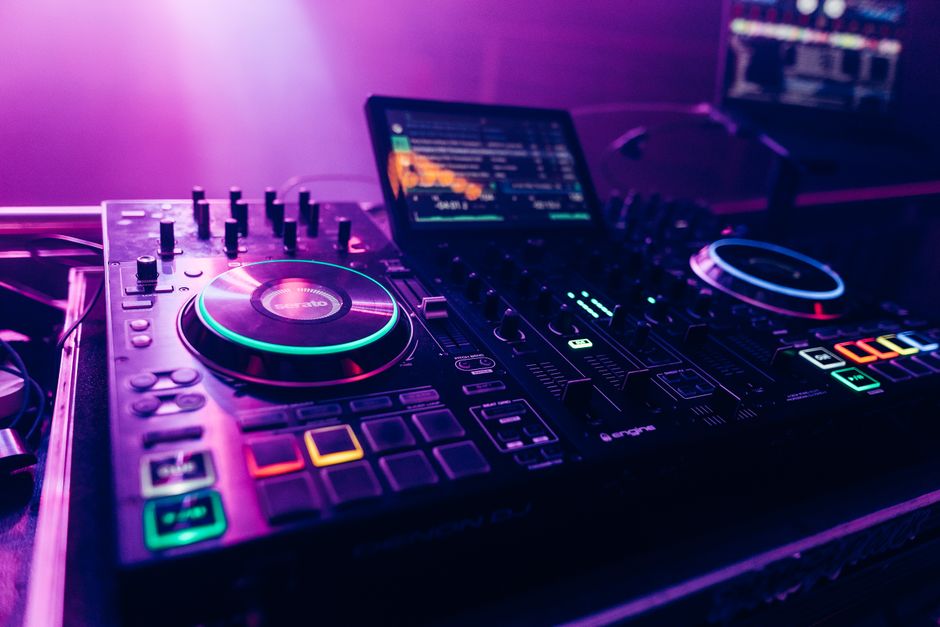
Let’s be honest: if you’re under and love to dance, the phrase “online dance music” means something different than it did even five years ago. The club is less a place and more a network—a restless, twenty-four-hour organism pulsing across Twitch livestreams, algorithm-driven playlists, and TikTok choreography challenges. In Berlin, the word Techno still conjures up Berghain’s infamous bouncers, but for millions logging into United We Stream during the lockdowns, the club became a pixelated living room rave. The landscape has changed so quickly that even seasoned DJs admit they’re learning as they go.
When Genres Become Hashtags Instead of Vinyl Sections
Picture Spotify’s “Mint” playlist—over 6 million followers in —where Bass House sits next to Melodic Techno and yesterday’s viral TikTok tracks. Genre boundaries evaporate; identity is curated by algorithms and moods. Realistically, emerging producers from Amsterdam to Melbourne build careers not through label signings or sweaty basement gigs (though those matter), but by hacking Instagram Reels or buying traffic on SoundCloud repost networks.
But here’s where it gets tricky: authenticity wars are real. A Polish producer I met in Warsaw last year described splitting time between crafting three-minute radio edits for streaming platforms and making eight-minute remixes strictly for Bandcamp loyalists. “You have to speak both languages,” she shrugged. Her workflow is typical: DAW sessions split between Ableton Live for club cuts and prepping stems for online collaborations via Splice or LANDR.
The Unsung Infrastructure Behind Every Drop
Most fans never see the backend—the digital plumbing that keeps everything moving.
Take Beatport: since launching in as an MP3 shop for DJs, it has grown into a global distribution hub with over 9 million tracks by . Yet most bedroom producers now skip traditional downloads altogether. In Sydney-based agency workflows observed this year, curators rely almost exclusively on streaming links when pitching artists to festival bookers; Dropbox folders packed with WAV files feel like relics from another era.
Meanwhile, Twitch DJ streams saw astronomical growth during COVID- (Twitch reported a % increase in music-related hours watched between March and July ). Many artists pivoted entirely—London’s Club Quarantäne built an audience of thousands overnight by hosting marathon online raves with global lineups who never left their living rooms.
Case Study: How a Small Indie Label Navigates Online Dance Music Chaos
In Barcelona last summer, I visited Kasual Records—a boutique electronic label juggling vinyl releases with digital-first strategies. Their routine? Each Friday morning starts with tracking performance data from Apple Music for Artists (which drives half their international revenue) while simultaneously prepping exclusive “premiere” uploads for YouTube channels like HATE or Deep House London.
One founder explained how they coordinate release calendars around anticipated playlist placements—not physical tour dates anymore. “If we miss New Music Friday on Spotify,” he said, “it kills momentum.” The team spends more time negotiating playlist inclusion with curators than booking actual shows.
Algorithm Anxiety: Chasing Discovery When Everyone’s a DJ
What about discovery? The average online listener now encounters new dance tracks through algorithm-curated channels—Spotify recommendations account for nearly % of track plays in certain genres according to industry reports shared at Amsterdam Dance Event .
For independent creators, standing out often means embracing microtrends fast enough to ride them before they collapse. In real campaigns tracked by European PR agencies this spring, TikTok placements drove surges of up to % in monthly listeners—but only if paired with influencer choreography or meme potential. One UK-based act went from local obscurity to Ibiza bookings after their self-produced track hit two million TikTok views inside three weeks.
Licensing Nightmares (and Opportunities)
The legal side is its own labyrinth: sample clearance can make or break releases overnight. Major labels increasingly tap AI-powered tools like Dubset (acquired by Apple in ) that scan mixes against massive rights databases before approving uploads to services like Mixcloud Select—a platform that pays royalties directly back to original artists based on user subscriptions and play counts.
A Greek event promoter told me about using Mixcloud Select analytics to identify which unreleased bootlegs were gaining traction internationally—even before official release dates—helping them lock in headline bookings months ahead of schedule.
Not Everything Goes Viral—and That’s Okay
Still, some scenes resist digitization’s full takeover. Consider Tbilisi’s underground parties: here, flyers are passed hand-to-hand and set recordings remain intentionally offline—a quiet rebellion against hyper-connectivity that paradoxically draws more attention among aficionados hunting exclusivity amid algorithmic sameness.
So What Do You Really Need To Know?
- Dance music lives online now—but thrives wherever real communities gather (even virtually).
- Playlists and algorithms can make careers—or bury them before they begin.
- Back-end tools shape what you hear more than any single tastemaker ever did.
- Trends move faster than any single scene can keep up…unless you’re agile enough to jump on them first.
- And somewhere—in Berlin lofts or Barcelona terraces—a few stubborn idealists will always prefer late-night mixes no one else can find unless they know someone who knows someone who was actually there.