Where online house music is going next
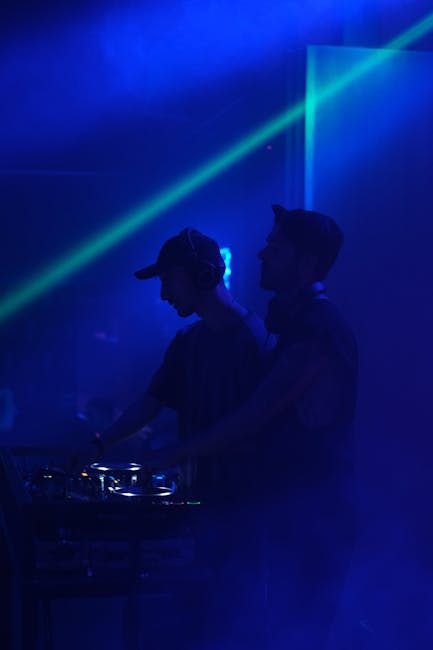
The promise of democratized global club culture keeps hitting the same wall: algorithms and short attention spans. House music, a genre built on connection, has flourished in bedrooms and basements for decades—but now finds itself at odds with the very platforms that made it accessible.
One Berlin-based DJ I spoke to describes a recurring nightmare: uploading an hour-long set only for YouTube’s Content ID system to flag obscure vinyl rips, muting sections or blocking uploads outright. She’s not alone; Mixcloud’s user base doubled between and (according to company statements), largely because SoundCloud and YouTube became increasingly hostile to extended mixes and copyright gray areas. Yet even Mixcloud’s own monetization—launched in earnest around —remains opaque for most creators outside the UK or US.
The Playlist Plateau
Spotify playlists were supposed to be the great equalizer, but what does “discovery” mean when every algorithmic playlist starts feeling like a recycled selection from Defected Records circa ? Realistically, a mid-level producer from Warsaw might score % of their streams from editorial playlists—curated by industry insiders based out of Stockholm or London—while independent labels struggle to make sense of where their tracks end up.
Beatport tried something different with its LINK subscription, letting DJs stream directly into Pioneer hardware. In practice, though, adoption rates lagged behind expectations outside Western Europe. A Sydney-based promoter told me last year that only two out of twelve resident DJs used LINK regularly: “Most still download WAVs from Bandcamp or buy files from Juno,” he said. “Streaming’s too risky if WiFi drops mid-set.”
Platform Fatigue—and Fragmentation
A friend running an underground label in Lisbon spent three months painstakingly uploading catalogues to Traxsource, Beatport, and Apple Music. The result? Each platform required different artwork specs, metadata formats, and payout structures—and royalties trickled back slowly through foreign intermediaries. For many small European operations, it’s still routine to spend more time wrestling spreadsheets than making music.
Even Bandcamp—long the go-to for independent electronic artists—faced turbulence after its acquisition by Epic Games () and then Songtradr (). Artists in Poland and Hungary reported delayed payouts during transition periods; some migrated catalogs temporarily back onto local services like Empik Music just to ensure fans could access releases without geo-restrictions.
Live Streams: Fading Hype or New Blueprint?
Remember spring ? Suddenly every DJ was live on Twitch or Instagram. The pandemic forced clubs online; Boiler Room’s viewership spiked over % in April compared to the previous December. But as clubs reopened—even partially—audiences drifted away.
Still, there are flashes of adaptation worth watching. In Amsterdam last fall, Dekmantel piloted a hybrid event model: ticket holders could attend physically or join a private Discord server with exclusive live sets streamed via Vimeo (circumventing DMCA takedowns). Feedback was mixed—the energy isn’t quite the same—but it kept isolated fans connected during travel bans and inspired similar blueprints among smaller festivals across Germany and France.
Micro-communities Over Mass Appeal?
What actually works now? Smaller Discord servers curated by passionate selectors have become miniature ecosystems; one Paris-based collective hosts weekly listening parties over Zoom combined with real-time tracklist sharing via Telegram bots. These gatherings rarely break more than fifty users at once—but offer deeper engagement than any Instagram feed ever could.
Meanwhile, Brazilian netlabel Dominae moved entirely off major platforms in early after repeated copyright disputes on YouTube and Spotify rendered their catalogue invisible overseas. Now they distribute high-quality FLACs via Patreon-style subscriptions—roughly paying members as of February this year—with custom digital zines bundled alongside releases.
AI Sets: Gimmick or Tool?
There’s tension here too: while companies like Endel are experimenting with AI-generated ambient sets tailored to listener mood (not unlike generative lo-fi hip-hop streams), house music purists in Chicago scoff at what they call “algorithmic filler.” One club owner told me she’d rather pay for local talent than risk her Friday crowd on generative playlists—even if licensing fees eat into profits.
Yet tech is seeping further into creative workflows regardless. Last month I observed a Rotterdam duo using stems extracted by Lalal.ai to create on-the-fly remixes mid-stream—a workflow unthinkable five years ago when stems were locked inside physical records.
What Next? Local Roots Online Again?
If anything holds true in , it’s that successful online house music communities are becoming more niche—but also more resilient against platform volatility. Where mass reach once mattered most (remember SoundCloud rap?), now tight-knit circles carry more weight: think hand-pressed vinyl runs sold direct via DMs rather than endless streaming loops chasing pennies per play.
In cities like Melbourne and Athens, DIY collectives have returned to self-hosted radio sites reminiscent of late-2000s pirate streams—except this time armed with Discord chatrooms for instant feedback loops between performer and audience.
tl;dr: No single platform will define where online house music goes next—not after so many false dawns—and maybe that’s healthier for everyone involved.